










Introduction
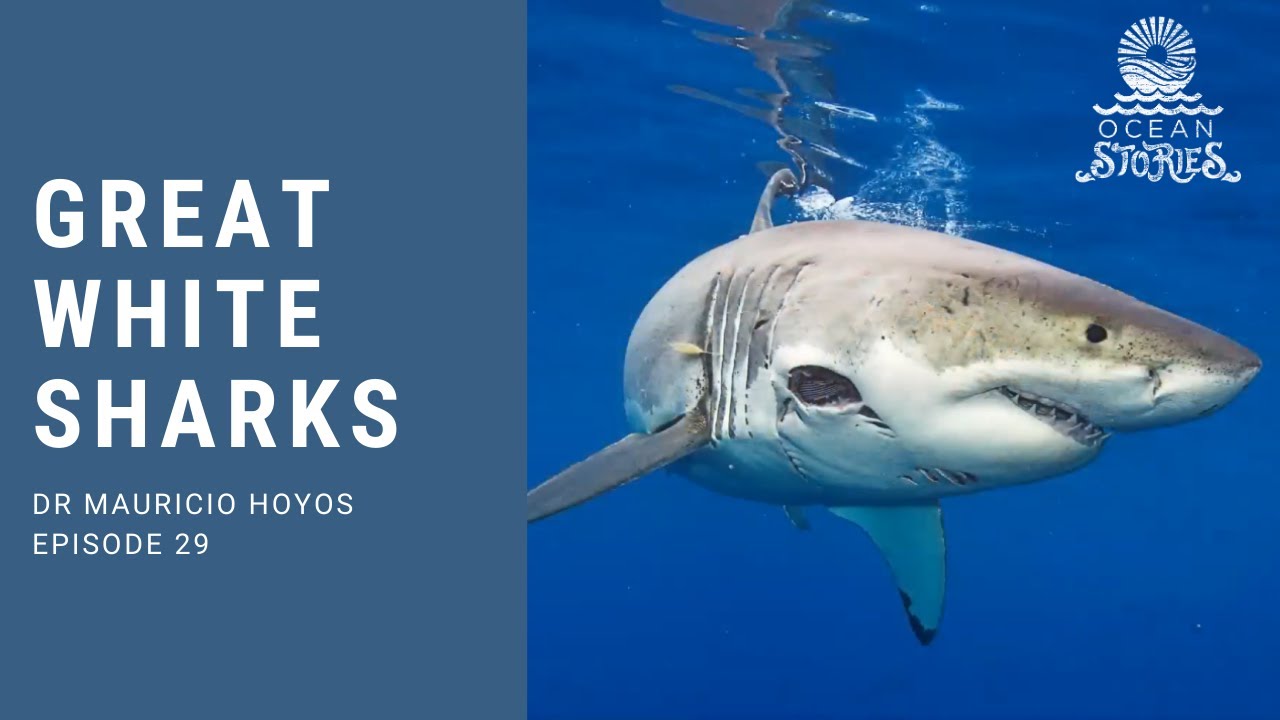
Great white sharks (Carcharodon carcharias) are not only iconic marine predators but pivotal components of ocean ecosystems. Recognised for their impressive size and predatory behaviours, these sharks have garnered significant attention in recent years due to their role in maintaining the health of marine species. Understanding great white sharks is crucial for marine conservation efforts and the overall balance of marine life.
Behaviour and Habitat
Great white sharks are typically found in temperate and subtropical waters due to their preference for warmer temperatures. Their hunting grounds extend globally, primarily along the coasts of South Africa, Australia, and the USA. Recent studies highlight that these sharks have complex behaviours, including migratory patterns that can span thousands of miles. They are known to exhibit unique hunting techniques, such as breaching the water to surprise their prey, which mainly consists of seals and larger fish.
Reproduction and Lifecycle
Great white sharks are ovoviviparous, meaning that they give birth to live young rather than laying eggs. Females typically have a gestation period ranging from 11 to 12 months, resulting in about 2 to 14 pups per litter. Understanding their reproductive cycle is vital for conservation, as the species is classified as vulnerable by the International Union for Conservation of Nature (IUCN).
Conservation Status and Efforts
In recent years, the population of great white sharks has been declining due to overfishing, habitat loss, and the impacts of climate change. Conservation initiatives have been set in place globally, including protective legislation, marine protected areas (MPAs), and public awareness campaigns aimed at highlighting the importance of sharks in marine ecosystems. Researchers and policymakers are increasingly collaborating to create sustainable fishing practices that consider the ecological role of great whites.
Conclusion
The significance of great white sharks extends beyond their role as apex predators; they are indicators of marine ecosystem health and biodiversity. Ongoing research and conservation efforts are essential to ensure their survival amidst growing threats. For readers, understanding and protecting these magnificent creatures can help foster a healthier ocean for future generations. Through responsible actions, awareness, and advocacy, the future can hopefully see both humans and great white sharks coexisting in a balanced marine environment.