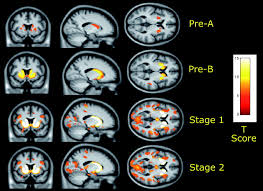
Introduction to Huntington’s Disease
Huntington’s disease is a progressive neurological disorder caused by a genetic mutation, leading to the degeneration of nerve cells in the brain. Its importance lies in the profound effects it has on individuals, families, and society at large. As an incurable condition that typically manifests in mid-adulthood, understanding Huntington’s is crucial for patient care, ongoing research, and support systems for those affected.
Key Facts and Current Developments
Recent research highlights the implications of the CAG repeat expansion in the HTT gene, which is responsible for the development of Huntington’s disease. Estimates suggest that about 1 in every 10,000 individuals in the UK is affected. Symptoms, which may include movement disorders, cognitive decline, and psychiatric issues, usually appear between ages 30 and 50, though early-onset cases can occur. Current treatments focus on managing symptoms, as there are no effective therapies to halt or reverse the progression of the disease.
In terms of research, breakthroughs in gene therapy have shown promise. Clinical trials are underway to explore gene silencing techniques that could potentially slow down or stop the progression of Huntington’s disease. The University of Cambridge is currently involved in several studies that aim to provide more effective solutions for managing symptoms and improving quality of life.
Support for Families and Patients
Coping with Huntington’s disease is a challenge not only for patients but also for their families. Support groups, both online and offline, provide vital resources and a sense of community for those navigating this difficult journey. Organisations such as Huntington’s Disease Association in the UK offer information, advocacy, and access to counselling services. Furthermore, awareness campaigns are vital in promoting understanding and reducing stigma around the disease.
Conclusion
As research into Huntington’s disease progresses, there is hope on the horizon for better treatments and, potentially, even a cure. For readers, staying informed about ongoing developments is essential. The significance of this disease extends beyond medical implications, encompassing social, emotional, and ethical dimensions. Awareness and advocacy continue to play pivotal roles in improving the lives of those affected by Huntington’s disease, fostering a community of understanding, and driving the quest for effective therapies.