









Importance of Flotilla in Current Events
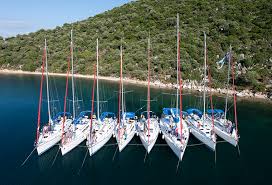
The term ‘flotilla’ refers to a group of boats or ships, often working together for a specific purpose. In recent years, flotillas have come to symbolize not just maritime activity but also geopolitical tensions and humanitarian efforts. As global maritime activities expand, the significance of flotillas is increasingly relevant in discussions surrounding territorial waters, humanitarian crises, and international relations.
Recent Instances of Flotilla Events
One of the most notable recent flotilla events was the humanitarian flotilla launched to provide aid to Gaza in 2021. Comprised of multiple vessels from various countries, the flotilla aimed to deliver supplies in response to the ongoing humanitarian crisis in the region. Although the mission garnered significant international support and media attention, it also faced opposition, leading to interventions by the Israeli navy and raising questions about sovereignty and the right to assist.
In addition, the militarisation of maritime routes has made flotillas a focal point in military exercises and strategic planning. For example, the Indo-Pacific region has witnessed joint naval exercises involving flotillas from the United States and allies, aimed at demonstrating a united front against regional threats and asserting freedom of navigation rights. This highlights how flotillas are not only a conduit for humanitarian missions but are also pivotal in defense strategies in contested maritime areas.
Implications and Conclusions
The implications of flotilla activities are far-reaching, influencing international relations, national policies, and humanitarian initiatives. As countries navigate increasingly complex maritime environments, the formation and actions of flotillas will likely continue to provoke debate over maritime rights and responsibilities.
Looking ahead, one can expect that flotillas will play key roles in future international crises. They could bridge humanitarian efforts and political negotiations or set the stage for military confrontations, particularly in regions with existing tensions. Understanding the dynamics of these waterborne collectives will help global citizens and stakeholders navigate their multifaceted implications deeply.
In summary, flotillas are more than mere assemblages of ships; they represent the intersection of aid, conflict, and diplomacy on the high seas. With ongoing maritime challenges, their roles and impacts will only grow in significance.