










Introduction
Cathy Freeman, an iconic figure in Australian sports, captured the heart of a nation with her remarkable athletic achievements and powerful advocacy for Indigenous rights. Her legacy, which includes a historic win at the 2000 Sydney Olympics, continues to inspire athletes and fans alike. In recent years, her contributions have gained renewed recognition as discussions surrounding diversity and inclusion in sports have intensified.
Cathy Freeman’s Athletic Prowess
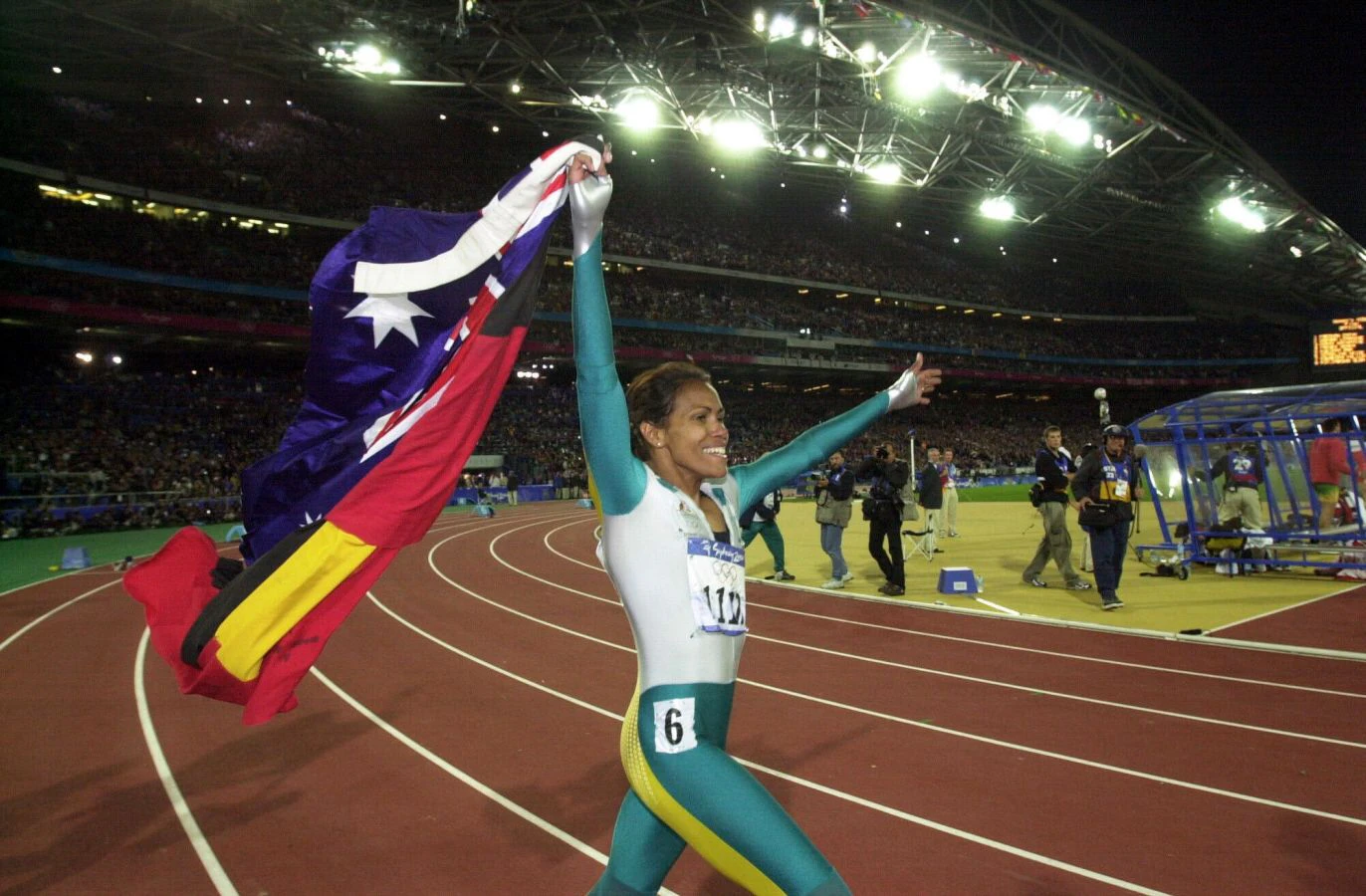
Born on February 16, 1973, in Mackay, Queensland, Cathy Freeman comes from the Kuku Yalanji tribe of Far North Queensland. Her journey to becoming a world-class athlete began at a young age, and by the time she was 16, she was already competing at an elite level. Freeman’s biggest triumph came at the 2000 Sydney Olympics, where she won the gold medal in the 400 meters, making her the first Indigenous Australian to win a gold medal in the Olympic Games. This victory not only showcased her exceptional talent but also served as a pivotal moment for Indigenous representation in sports.
Advocacy and Impact
Freeman’s influence extends beyond her athletic accomplishments. Throughout her career, she has been a passionate advocate for Indigenous rights and social justice. In her Olympic victory, she famously carried both the Australian and Aboriginal flags, symbolising unity and pride for her heritage. This moment resonated deeply within Australia, sparking conversations about the ongoing struggles faced by Indigenous communities.
In the years following her retirement from athletics, Freeman has continued to make an impact through various initiatives. She established the Cathy Freeman Foundation, which aims to ensure that Indigenous children have access to education, health, and well-being opportunities. Her commitment to social change has earned her numerous accolades, including being named Australian of the Year in 1998.
Recent Developments and Recognition
As of 2023, Cathy Freeman remains a prominent figure in the world of athletics and beyond. Recently, she has been involved in discussions about the importance of representation in sports, particularly within the context of the ongoing dialogues surrounding racial equity. Freeman’s voice is very much alive in these conversations, as she shares her insights on how sports can serve as a platform for inclusivity and change.
Conclusion
In conclusion, Cathy Freeman’s legacy is a testament to the power of sport in bridging cultural divides and creating a platform for social change. Her achievements as an athlete and her unwavering commitment to advocacy continue to inspire future generations. As Australia moves forward, Freeman’s story reminds us of the importance of unity, representation, and the vital role that sports can play in fostering social cohesion and understanding among diverse communities. Her influence will undoubtedly be felt for years to come, making her an enduring symbol of hope and resilience.