Introduction
The role of the United Nations (UN) in global diplomacy has been a topic of significant debate, particularly during the presidency of Donald Trump. His tenure saw a marked shift in the United States’ approach to international institutions, including the UN, raising questions about the future of global cooperation. Understanding Trump’s actions and rhetoric regarding the UN is crucial for evaluating the impact on international relations and global governance.
Main Body
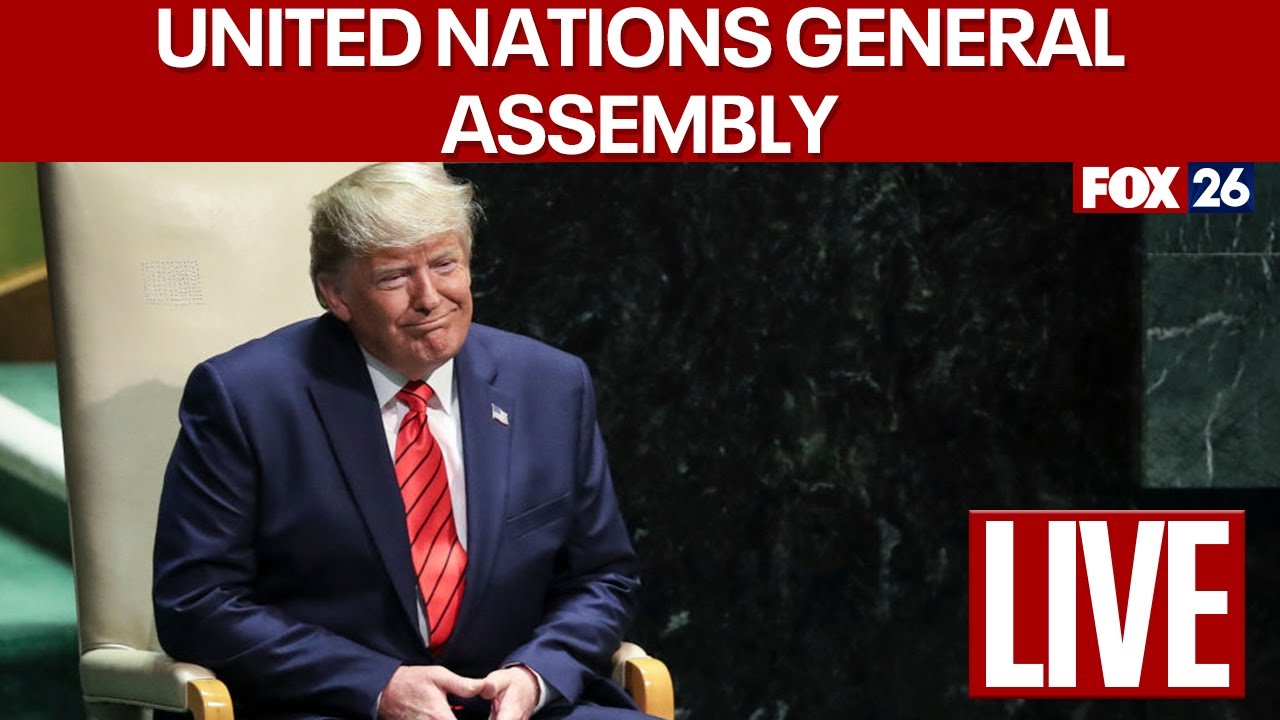
During his presidency from January 2017 to January 2021, Donald Trump adopted a contentious stance towards the UN, which he often described as ineffective and biased against the U.S. This confrontation was notably evident in his 2018 speech at the UN General Assembly, where he proclaimed, “America is governed by Americans,” emphasizing his ‘America First’ policy. Trump’s administration initiated significant changes, including the withdrawal from the UN Human Rights Council, which he claimed had a poor record on human rights.
Furthermore, Trump’s criticisms extended to financial contributions, as he argued that the United States was bearing an unfair share of the UN’s costs. This stance was part of a broader strategy to reassess America’s commitments to international agreements and organisations, stirring considerable global concern about the implications for international cooperation.
In addition, the Trump administration’s approach to key issues such as climate change and global health brought further tensions. The U.S. withdrawal from the Paris Agreement and the WHO during the COVID-19 pandemic highlighted a departure from multilateral efforts to tackle global challenges. Trump’s decisions raised doubts about the UN’s ability to effectively respond to these pressing issues without U.S. leadership.
Conclusion
Trump’s presidency marked a significant chapter in the history of the UN, characterised by criticism and withdrawal from multilateral engagements. Looking forward, the significance of his approach remains a point of analysis for international relations experts. While the Biden administration has signalled a return to cooperative global governance, the repercussions of Trump’s policies on the UN and U.S. relationships with allied countries will undoubtedly be felt for years to come. Understanding these dynamics is essential for readers interested in the interplay between national interests and international collaboration.