








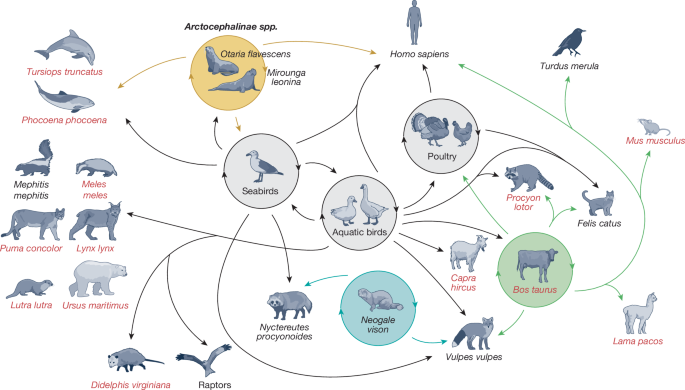
Introduction to H5N1
H5N1, a subtype of the Influenza A virus, is well-known for its potential to cause severe disease in birds and has raised alarm as a zoonotic pathogen that can infect humans. Most prevalent in Asia and Africa, H5N1 presents substantial risks to both public health and poultry industries worldwide. As highlighted by recent outbreaks, understanding H5N1 is more important than ever for health authorities and the agricultural sector.
Current Outbreaks and Health Concerns
Reports from early 2023 indicate that H5N1 continues to circulate among bird populations, with several countries experiencing outbreaks that have resulted in mass culling of infected flocks. For instance, cases have surged in countries like Vietnam and Egypt, leading to stringent measures to curb transmission among domestic birds. The World Organisation for Animal Health (WOAH) has noted these outbreaks are concerning, especially as they increase the risk of virus mutation and crossover into humans.
Impact on Human Health
To date, the human cases of H5N1 remain rare but are often severe, with a mortality rate that can exceed 50% among confirmed infections. Most recorded infections have resulted from direct contact with infected birds, but experts warn that the virus’s persistent presence in avian populations necessitates ongoing vigilance in monitoring its evolution. As of October 2023, health authorities are on alert for any unusual activity, due to the potential for H5N1 to adapt and spread among humans, similar to other flu viruses.
Broader Implications for Agriculture and Food Security
The agricultural impact of H5N1 is profoundly evident, as noted in the measures taken by various countries to prevent outbreaks. Mass culling not only affects the poultry supply but also has ramifications for food security and market stability. The interconnectedness of global food supply chains further amplifies the risks associated with H5N1 outbreaks, urging farmers, and policymakers to establish robust biosecurity protocols.
Conclusion: The Ongoing Need for Awareness and Preparedness
With the evolving landscape of avian influenza, particularly H5N1, public health officials and agricultural stakeholders must maintain heightened awareness and respond quickly to outbreaks. Vaccination programmes for poultry and monitoring of bird populations are crucial components of prevention strategies. Looking ahead, it is essential for global health entities to collaborate, share data, and promote best practices in biosecurity to protect both human health and agricultural stability. As the world becomes more interconnected, vigilance against H5N1 and its potential to impact our lives will remain a critical focus for the foreseeable future.