










Introduction
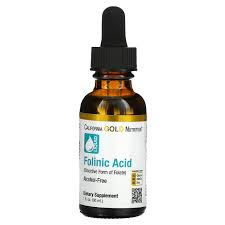
Folinic acid, also known as leucovorin, is a vital form of folate that has garnered significant attention in medical and nutritional circles. It is particularly noteworthy for its ability to counteract the harmful effects of certain cancer drugs while also supporting vital biological processes in the body. The relevance of folinic acid is underscored by its applications in cancer treatment, anaemia, and even during pregnancy, making it a critical topic for both healthcare professionals and the general public.
Medicinal Uses of Folinic Acid
Folinic acid is primarily used in medical treatments that involve folate antagonists, such as methotrexate, a drug commonly used in chemotherapy. Patients may experience significant side effects from methotrexate, and folinic acid acts as an antidote by replenishing folate levels and preventing toxicity. In 2023, researchers reported that administering folinic acid alongside methotrexate significantly reduced hospitalisations for patients undergoing chemotherapy.
Furthermore, folinic acid is also indicated for treating megaloblastic anaemia, a condition arising from folate deficiency. By supplementing with folinic acid, patients can rapidly improve their red blood cell production, showcasing its critical role in managing nutritional anaemias.
Significance During Pregnancy
Expectant mothers are often advised to increase their intake of folate to support fetal growth and development. Folinic acid serves as an essential supplement during pregnancy, particularly as it is crucial for DNA synthesis and cell division. Adequate levels of folate, including its active form folinic acid, help mitigate the risk of congenital anomalies, particularly neural tube defects, which can arise due to inadequate folate levels. Recent studies have strengthened the recommendation that women of childbearing age consider folinic acid supplementation, especially prior to conception.
Research and Future Directions
Ongoing research continues to explore the therapeutic potential of folinic acid beyond its current applications. Recent clinical trials are investigating its efficacy in enhancing the effectiveness of various biologic treatments for autoimmune diseases and its potential role in neuroprotection. The results of these studies may shape future medical protocols and broaden the scope of folinic acid’s applications in clinical practice.
Conclusion
The growing recognition and research surrounding folinic acid establish its importance in both medical treatments and health maintenance. Its ability to mitigate side effects of chemotherapy, support red blood cell production, and reduce birth defect risks highlights its multifaceted role in health care. As ongoing studies unveil further benefits and applications, folinic acid may soon become an even more integral component of medical guidelines and patient care, confirming its status as an essential nutrient in modern medicine.