









Introduction
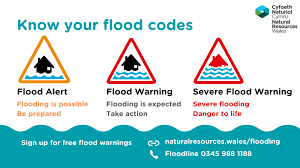
In recent weeks, the UK has witnessed a significant rise in flood warnings due to persistent heavy rainfall and rising water levels. As climate change intensifies weather patterns, understanding the implications of these warnings has never been more critical for communities, emergency services, and local governments. Flood warnings are essential tools for preventing damage, safeguarding lives, and ensuring that residents take necessary precautions.
The Current Situation
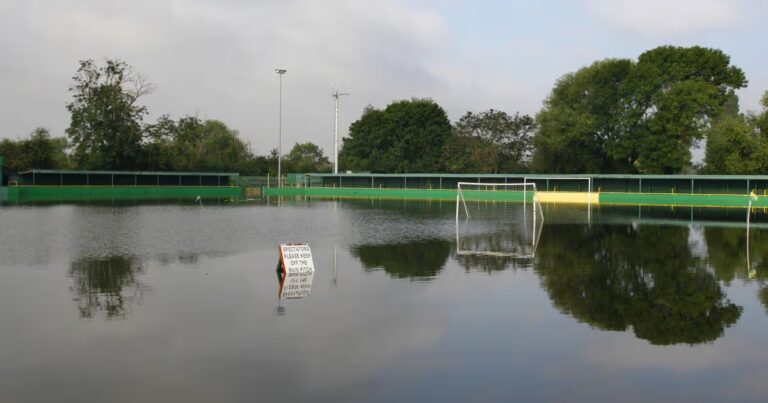
According to the latest data from the Environment Agency, over 150 flood warnings were issued across various regions in the UK, particularly in areas such as Yorkshire, the Midlands, and parts of Wales. Severe weather alerts have prompted authorities to monitor river levels closely, with many rivers expected to exceed safe thresholds.
Flooding can cause significant infrastructure damage, disrupt local economies, and pose serious health risks. Residents in at-risk areas were urged to prepare emergency plans and have contingency measures in place, such as stockpiling supplies and ensuring vehicles are moved to safer locations.
Impact of Flood Warnings
The implications of these flood warnings extend beyond immediate safety concerns. Affected communities often face long-term recovery challenges. The financial costs related to flood damage can escalate quickly, and local services frequently struggle to cope with the aftermath. National responses include potential government funding for recovery, but this can be slow to materialise.
Emergency services have been on high alert, prepared to respond rapidly should the situation deteriorate. Community awareness campaigns have been intensified, with local councils distributing safety information through various channels, including social media and community meetings.
Looking Ahead
As we move further into the winter months, experts predict an increase in flooding events. The Met Office has indicated a changing climate will continue to affect rainfall patterns, leading to more frequent and severe weather events. Local governments are urged to improve infrastructure resilience, including upgraded drainage systems and investments in flood defence projects.
Ultimately, the responsibility to heed flood warnings falls on individuals and communities. Having the right information and preparedness can significantly reduce risks associated with flooding and help safeguard livelihood.
Conclusion
In conclusion, staying informed about flood warnings is vital for residents across the UK. As weather patterns continue to change, proactive measures will play a crucial role in mitigating the impact of flooding. Communities must work together to ensure that appropriate action is taken, fostering a culture of preparedness that can ultimately save lives and property.