Introduction
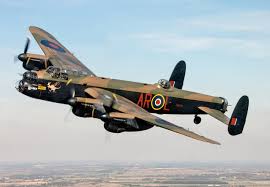
The Lancaster Bomber holds a significant place in the history of aviation, stemming from its critical role in World War II. This British heavy bomber was instrumental in night bombing raids over Germany, contributing to the Allied victory. Understanding the Lancaster’s design, missions, and legacy not only highlights its importance in military history but also offers insights into the technological advancements of the time.
Design and Features
Introduced by Avro in 1941, the Lancaster Bomber was designed for long-range missions. With a wingspan of over 31 meters and powered by four Merlin engines, it was capable of carrying payloads of up to 9,000 kg. The aircraft was renowned for its ability to fly at high altitudes and its impressive range of around 2,530 kilometers. Its large bomb bay allowed for the delivery of various ordnance, including the famous ‘bouncing bomb’ used in the Dambusters raid.
Operational History
The Lancaster’s operational history began with its first successful bombing raid in 1942. Throughout the war, it conducted numerous missions, most famously the Dams Raid in May 1943, where it targeted and destroyed key dams in Germany’s industrial heartland. This mission showcased the strategic importance of the Lancaster and its capabilities. By the end of the war, over 7,000 Lancasters had been built, making it one of the most prolific bombers of its time.
Legacy and Commemoration
Today, the Lancaster Bomber is more than a military aircraft; it is a symbol of resilience and innovation. Numerous Lancasters are preserved in museums, with two flying examples in the UK: the Battle of Britain Memorial Flight and the Canadian Warplane Heritage Museum. These aircraft not only serve as reminders of the bravery of aircrew but also educate future generations about the war’s impact on the world.
Conclusion
The Lancaster Bomber left an indelible mark on aviation and military history. Its successful deployment during World War II showcased the potential of bomber aircraft and shaped air combat strategies. As nations commemorate the achievements of World War II, the Lancaster serves as a poignant reminder of courage and technological advancement in the face of adversity. Understanding its legacy continues to inspire and educate those interested in the history of aviation and wartime efforts.