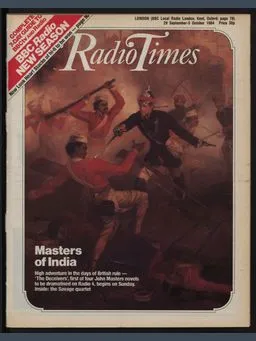
Introduction to Radio Times
Radio Times has long been an essential staple in UK households, serving as the foremost guide to television and radio broadcasting since its inception in 1923. As the UK’s leading listing magazine, it plays a crucial role in connecting viewers with their favourite shows and radio programmes. Understanding its relevance is key, as it not only reflects the evolution of media consumption in the UK but also highlights shifting trends in entertainment.
A Rich History
Founded by the BBC, Radio Times originally served as a publication to promote its radio broadcasts. It was the first publication to feature listings for television in 1936. Over the years, it has transformed, transitioning into a widely respected and comparable television magazine, which includes insightful articles and interviews with celebrities as well as features on upcoming shows.
Current Relevance and Engagement
In recent years, Radio Times has adapted to the digital landscape, launching its website and mobile application to cater to the changing preferences of audiences who increasingly consume media online. The magazine continues to present detailed schedules and innovative features like streaming guides, giving readers a comprehensive look at the multitude of viewing and listening options available today.
According to a recent survey, nearly 87% of the UK population watches television regularly and Radio Times remains a preferred choice for many when looking to plan their viewing. Moreover, it has evolved to include not just traditional television but also streaming platforms, reflecting the changing habits of modern audiences.
Conclusion: The Future of Radio Times
As the media landscape continues to change, Radio Times finds itself at a crossroads where traditional print meets modern technology. The magazine’s resilience in maintaining its relevance — even in the face of competition from streaming services and digital platforms — signifies its foundational role in UK broadcasting. Looking ahead, Radio Times is expected to continue influencing how audiences interact with television and radio, helping to shape viewing habits and offering insights into the diverse offerings of the UK media. For both new and seasoned viewers, it remains an invaluable resource, evidencing a steadfast commitment to connecting the public with quality entertainment.