Introduction
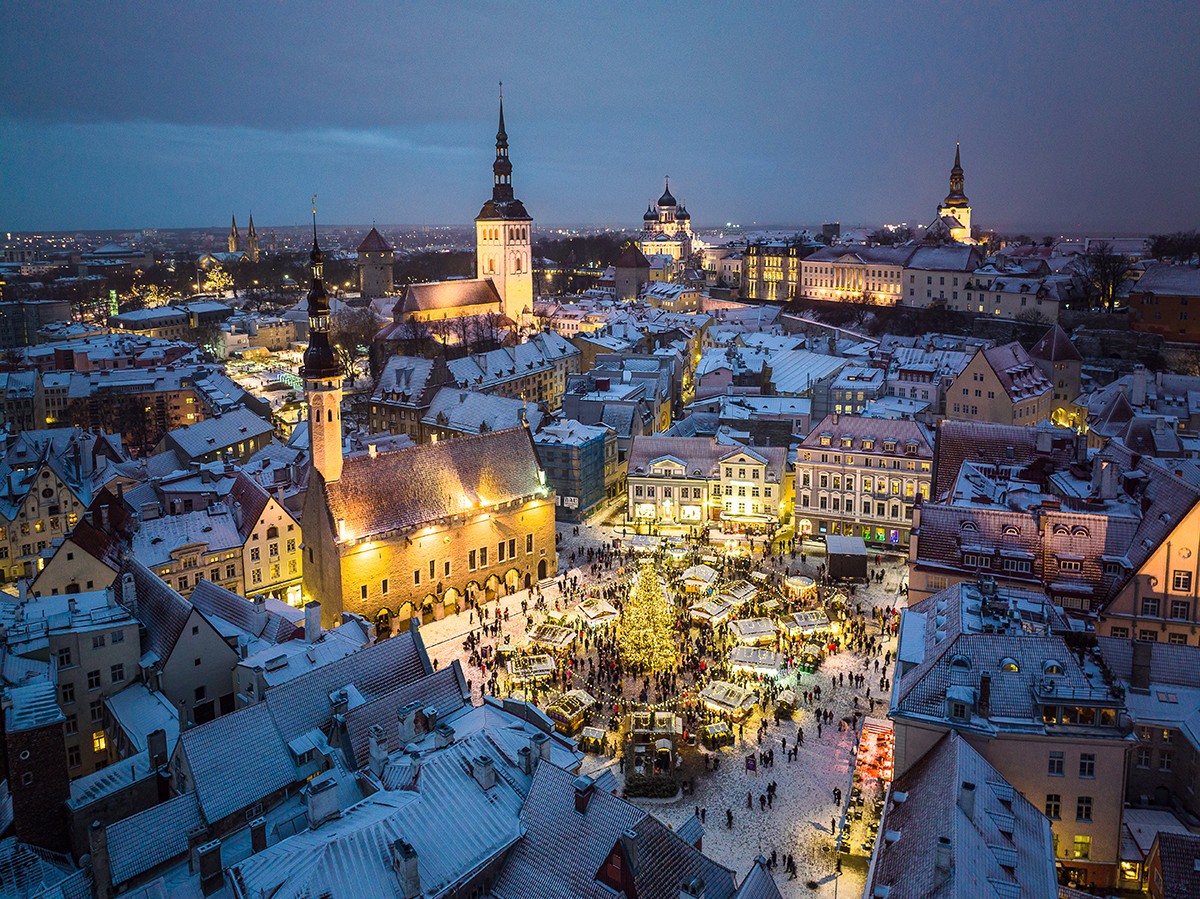
Tallinn, the capital of Estonia, is a city that has recently emerged as a notable travel destination in Northern Europe. Its combination of medieval charm and contemporary innovation attracts tourists and business travellers alike. Recognised for its well-preserved old town, a UNESCO World Heritage site, Tallinn is important not only for its historical significance but also for its role in a rapidly digitalising world. As Estonia continues to position itself as a leader in technology, Tallinn serves as a beacon of progress and culture.
A City Steeped in History
Tallinn’s history dates back over 800 years, with its old town showcasing stunning Gothic architecture, cobbled streets, and historic landmarks. The impressive Town Hall, dating from the 14th century, dominates the main square, providing a picturesque backdrop for local events and festivals. The city walls, complete with watchtowers, are still observed today, offering hints at the city’s medieval past as a prominent member of the Hanseatic League.
Modern Developments
In recent years, Tallinn has embraced modernity, evident in projects like the Creative Hub, which provides a space for startups and tech entrepreneurs to thrive. Estonia has pioneered digital services, making it one of the most advanced e-governments in the world. The Digital Nomad Visa launched in 2020 enables remote workers to live and work in Tallinn while experiencing its vibrant culture. This initiative highlights the city’s growth as a tech hub, attracting digital nomads from around the globe.
Cultural Highlights
Culturally, Tallinn offers a wealth of experiences ranging from its dynamic arts scene to culinary delights. The Tallinn Music Week, an annual festival, showcases local talent while promoting the Estonian music industry. Furthermore, with growing Michelin-starred restaurants, the city’s gastronomy is rapidly gaining recognition. For history enthusiasts, the Kumu Art Museum presents Estonia’s vibrant art scene through centuries, while the Estonian National Museum chronicles the nation’s history and cultural identity.
Future Prospects
The importance of Tallinn as both a historical landmark and a modern innovation centre cannot be overstated. As the city continues to develop its infrastructure and strengthen its economic position within the European Union, expectations for growth remain high. The rise of tech companies and the attractiveness of remote work are likely to propel Tallinn further into the spotlight in the coming years. For visitors and residents alike, the city not only represents the past but also embodies the future of urban living.
Conclusion
Tallinn is more than just a beautiful city; it is a testament to resilience and adaptation in an ever-changing global landscape. With its captivating mix of history and innovation, Tallinn is positioned to maintain its relevance in both the travel sector and the digital economy. As we look to the future, this Estonian capital is set to play an increasingly crucial role on the European stage.