Introduction
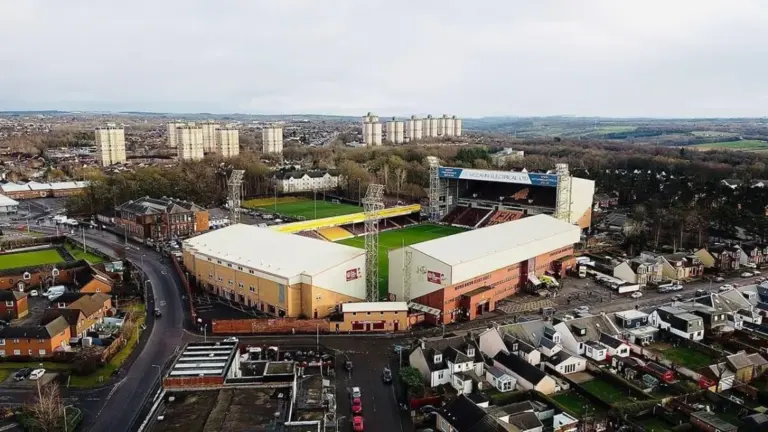
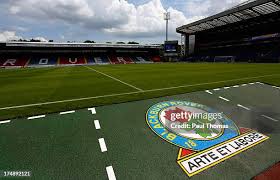
Ewood Park, the iconic home of Blackburn Rovers, holds a significant place in English football history. Opened in 1882, it has witnessed countless memorable matches, including Blackburn’s triumphs in the late 19th and early 20th centuries. Today, it remains a vital component of the community, hosting fans and events that reflect its rich heritage.
A Brief History
The stadium, located in Blackburn, Lancashire, was initially a cricket ground before transforming into the home of Blackburn Rovers in the late 1800s. Ewood Park is notable for being one of the first stadiums to introduce covered stands in 1902. Over the years, it has experienced several upgrades, ensuring it meets modern standards while preserving its historical essence. With a current capacity of around 31,000, Ewood Park is known for its passionate and loyal fan base.
Recent Developments
In recent months, Ewood Park has undergone some reinvigoration efforts aimed at enhancing the visitor experience. In September 2023, Blackburn Rovers announced plans to improve facilities, including new hospitality suites and upgraded seating areas to cater to the evolving needs of supporters. These renovations are part of the club’s broader strategy to secure its place in competitive English football while nurturing a family-friendly atmosphere that welcomes fans of all ages.
Community Impact and Events
Ewood Park is not only a football venue; it is also a cornerstone of the Blackburn community. The club hosts various initiatives aimed at fostering community spirit, including school partnerships and health drives. In recent events, the stadium has served as a venue for charity matches and local gatherings, highlighting its role beyond just a sporting arena. The energy and enthusiasm of matchdays create an electric atmosphere, drawing fans from around the region while promoting local pride in Blackburn Rovers.
Looking Ahead
As Blackburn Rovers strive for promotion back to the Premier League, the significance of Ewood Park remains ever-present. With increased investment in not only the playing team but also the infrastructure of the stadium, the club aims to create an environment that enhances both performance and fan engagement. As the 2023-2024 season progresses, fans will be eager to see how these developments will translate into on-pitch success.
Conclusion
In conclusion, Ewood Park stands as a testament to the rich footballing heritage of Blackburn Rovers and the local community. Its ongoing evolution reflects the club’s commitment to growth and stability. As the ground continues to be a beacon of sporting passion, Blackburn Rovers and its legendary home remain pivotal in the narrative of English football.