Introduction
The position of Mayor of Chicago holds significant importance in both local and national politics. As one of the largest cities in the United States, Chicago’s mayor is responsible for overseeing various city departments, implementing policies, and responding to challenges that affect the daily lives of its residents. With the recent election of Brandon Johnson, the mayor’s office is facing key issues such as public safety, economic development, and social equity, making this a critical time to examine the role and impact of the mayor in Chicago.
Brandon Johnson’s Tenure and Challenges
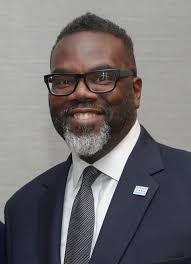
Brandon Johnson took office as the 57th mayor of Chicago in May 2023, following a closely watched election. A former teacher and member of the Chicago Teachers Union, Johnson’s approach emphasizes equity and community engagement. He aims to address systemic issues such as gun violence and educational disparities through comprehensive reforms.
One of Johnson’s primary tasks has been addressing public safety amidst rising crime rates in certain neighbourhoods. His administration has taken steps to reallocate funding towards community resources and mental health services, rather than solely increasing police budgets. This strategy is aimed at addressing the root causes of crime while also improving the relationship between law enforcement and the communities they serve.
Economic Development Initiatives
Another focal point of Johnson’s administration is economic development. Chicago has faced significant challenges in recovering from the COVID-19 pandemic, particularly in regard to employment and business growth. The mayor has proposed initiatives to attract new businesses and support existing ones, focusing on under-resourced areas to ensure an equitable economic recovery. Plans include enhancing infrastructure and providing grants for small businesses aimed at fostering job creation.
Community Engagement and Social Equity
Johnson has also emphasised the importance of community engagement in governance. By holding town hall meetings and forums, the mayor invites citizens to voice their concerns and participate in the decision-making process. Furthermore, social equity remains a core component of Johnson’s agenda, where policies are being crafted to tackle issues like housing affordability and access to quality healthcare.
Conclusion
The role of the Mayor of Chicago is pivotal in navigating the complexities of urban management and ensuring the wellbeing of its residents. Brandon Johnson’s administration may pave the way for new policies aimed at fostering a safer and more equitable Chicago. As challenges remain, the effectiveness of the mayor’s strategies will be crucial in shaping the city’s future. Residents of Chicago and observers alike will be watching closely to see how the Johnson administration tackles these pressing issues, proving that the mayor’s office is not just a title, but a testament to responsive and responsible governance.