Introduction: The Importance of Eritrea
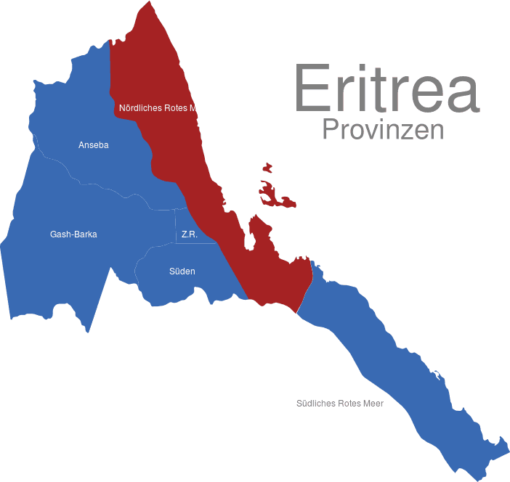
Eritrea, located in the Horn of Africa, is a country rich in history and cultural diversity. Its significance lies not only in its strategic geographical position along the Red Sea but also in its varied ethnic composition and its journey towards independence. Understanding Eritrea is crucial for grasping broader regional dynamics, especially in relation to its neighbours and global geopolitical interests.
Current Situation in Eritrea
In recent months, Eritrea has been in the international spotlight due to various developments. The nation continues to face significant challenges, including human rights concerns, economic struggles, and political repression. According to a report released by Human Rights Watch in early 2023, Eritrea’s government has faced allegations of systematic human rights abuses, including forced conscription, restrictions on freedom of expression, and arbitrary detentions.
In parallel, relations between Eritrea and its neighbouring nations, particularly Ethiopia, have evolved. Following a peaceful resolution of the border conflict in 2018, there have been efforts to strengthen ties; however, ongoing tensions remain, particularly in light of the Tigray conflict and its repercussions for Eritrean soldiers who were involved.
Economic Overview
Eritrea’s economy is primarily agrarian, with a significant portion of the population engaged in subsistence agriculture. Nonetheless, the country is also known for its mineral resources, including gold and copper. The government has made concerted efforts to attract foreign investment in mining; however, economic growth has been hampered by political factors and international sanctions. The United Nations has reported that millions of Eritreans face food insecurity, exacerbated by environmental challenges and restrictive policies.
Conclusion: Future Implications for Eritrea
The future of Eritrea remains uncertain, with the potential for either reform or further isolation. As international scrutiny on human rights intensifies, the possibility for internal change becomes more pertinent. The actions taken by the Eritrean government in response to both domestic and international pressures will significantly shape the country’s trajectory in the coming years. For readers, understanding these dynamics is essential, as they reflect larger themes of governance, humanitarian issues, and international relations in the Horn of Africa.