








Introduction
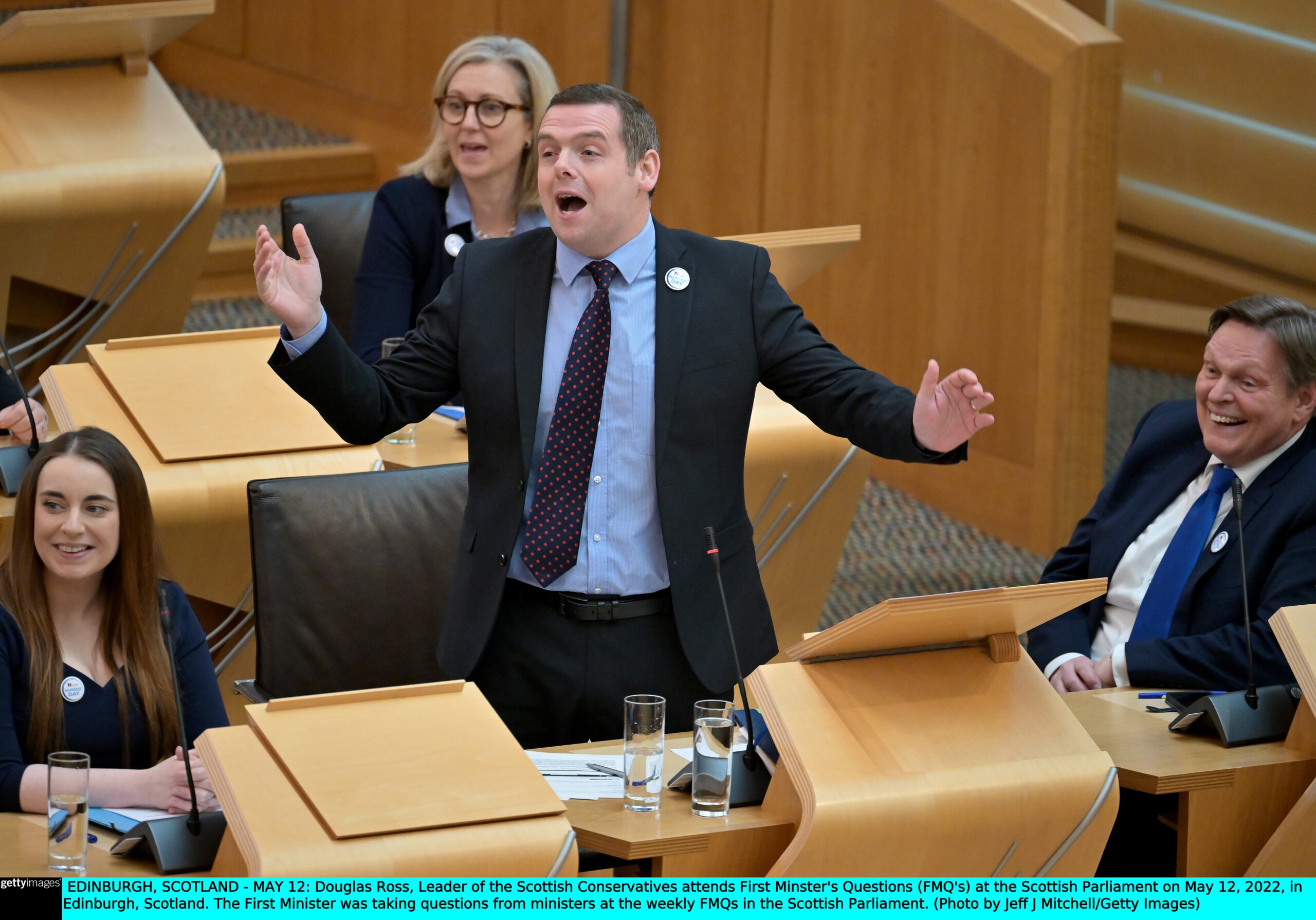
Douglas Ross has become a prominent figure in Scottish politics as the leader of the Scottish Conservative Party. His leadership is crucial during a time when Scotland faces significant political challenges, including discussions around independence, economic recovery, and public health policy. As the political landscape continues to evolve, Ross’s influence and his party’s position are of great importance to both voters and policymakers alike.
Background of Douglas Ross
Douglas Ross was born on July 27, 1983, in Moray, Scotland. Before entering politics, he worked as a journalist and was also a professional football referee, officiating in various leagues. Ross was first elected as a Member of Parliament (MP) for Moray in the 2017 general election, marking the beginning of his political journey.
Leadership and Current Activities
Ross became the leader of the Scottish Conservatives in August 2020, succeeding Ruth Davidson. Since taking up the role, he has focused on unifying his party and addressing pressing issues such as the COVID-19 pandemic, economic recovery, and reforming Scotland’s public services. Under his leadership, the Scottish Conservatives aim to challenge the dominance of the Scottish National Party (SNP) and present a viable alternative that could appeal to a broader range of voters.
In the recent local elections, the Scottish Conservatives made notable gains in various councils, marking a pivotal moment for Ross. His party’s performance signifies a shift in voter sentiment and a recognition of the need for effective opposition to the SNP’s policies. Ross has also been vociferous in advocating for a more rigorous debate on Scotland’s future and the question of independence, positioning himself as a staunch unionist.
Challenges and Outlook
Despite recent electoral gains, Douglas Ross faces considerable challenges moving forward. The ongoing debate around Scottish independence remains a contentious issue, particularly with the SNP’s continued push for a second referendum. Additionally, economic inequality and public health recovery post-pandemic are pressing matters that demand robust strategies and solutions.
Looking ahead to the next general elections, Ross aims to build on his party’s momentum and appeal to undecided voters who may be disillusioned with the current administration. His ability to navigate key issues and communicate effectively with the public will be vital in solidifying the Scottish Conservatives’ position within Scotland’s political landscape.
Conclusion
Douglas Ross’s role as the leader of the Scottish Conservatives is significant in shaping the future of Scottish politics. His leadership not only influences party dynamics but also impacts the broader conversation around Scotland’s governance and identity. As challenges arise and political sentiments shift, Ross will play a crucial role in determining the trajectory of the conservative movement in Scotland and its response to the aspirations of its people.