










Introduction
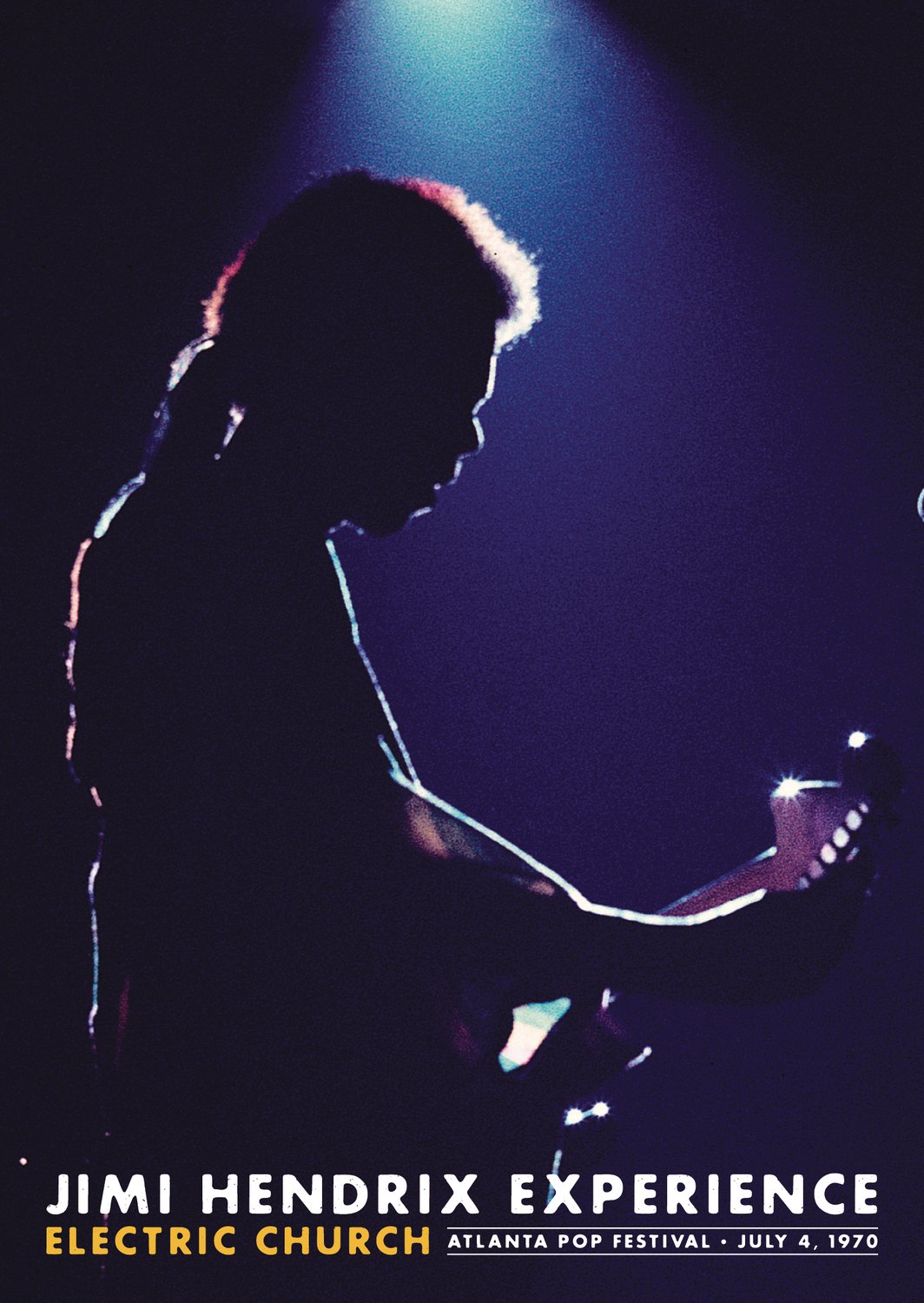
The legacy of Jimi Hendrix continues to resonate profoundly in the world of music, particularly with the phenomenon known as the ‘Electric Church’. This term encapsulates the ethos and vision Henderson aspired to bring into reality during the 1960s. It is not just a musical genre but a cultural movement that celebrated freedom, love, and the power of music. As we reflect on this topic, we gain insights into the implications of Hendrix’s artistry amidst the civil rights movement and counterculture of his time.
The Origin of the Electric Church
Jimi Hendrix famously coined the term “Electric Church” to describe his approach to live performances and his artistic vision. He envisioned a revolutionary experience where music transcended traditional boundaries, creating a space where fans could come together in celebration of love and peace. This concept reflected the larger cultural zeitgeist of the 1960s, a time marked by social upheaval and an unprecedented outpouring of creativity in the arts.
Hendrix’s concerts often evoked spiritual ecstasy, reminiscent of religious gatherings, further solidifying the connection with the term “church”. In pursuing this vision, Hendrix infused genres like rock, blues, and jazz into his music, setting the stage for future generations of musicians who strive to break normative musical molds.
The Importance of the Electric Church
The Electric Church was not merely a concept confined to Jimi Hendrix’s artistic vision; it became a symbolic response to the societal challenges of his era. As the civil rights movement unfolded, Hendrix’s music served as a powerful voice calling for unity and change. Through electrifying performances and poignant lyrics, he sought to inspire his audience to embrace diversity and foster connection.
Moreover, Hendrix’s groundbreaking use of electric guitar techniques revolutionised the music industry, shaping the sound and performance style of countless artists that followed. His blend of technical prowess and emotive expression continues to influence musicians, making the Electric Church a foundational element in the evolution of modern music.
Conclusion
Today, the Electric Church not only stands as a testament to Jimi Hendrix’s genius but also serves as a reminder of the timeless power of music to unite and inspire. As society navigates ongoing challenges, the message of love, freedom, and transcendence embodied by Hendrix remains relevant. For readers and music lovers alike, reflecting on this legacy encourages a deeper understanding of the vital role that artistic expression plays in shaping cultural identity and social consciousness. As more archives and recordings of Hendrix’s work are discovered and released, the dialogue surrounding the Electric Church will undoubtedly continue to flourish, illuminating the path ahead for new generations of artists.