Introduction
As air travel becomes increasingly integral to global transportation, the need for reliable information on flight status has grown. Flight trackers have emerged as essential tools for both passengers and aviation professionals, providing real-time updates on flight departures, arrivals, delays, and cancellations. Their significance is particularly highlighted in the context of ongoing challenges in the aviation industry, including those posed by weather conditions and high demand.
What is a Flight Tracker?
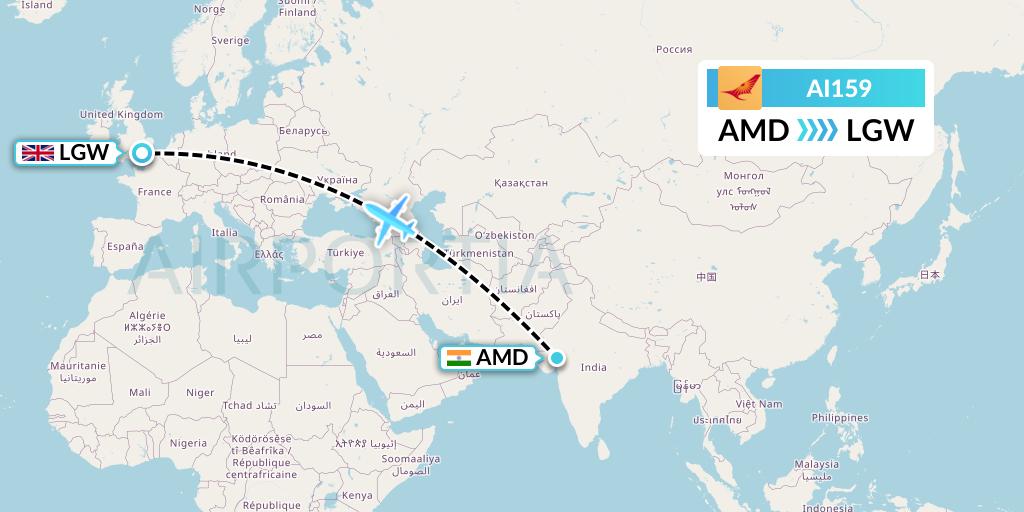
A flight tracker is a system or software used to monitor the real-time positioning and status of aircraft. These tools utilise a combination of radar data, GPS information, and other methodologies to deliver accurate information about flights worldwide. Popular flight tracking websites and applications, including FlightAware, Flightradar24, and the FAA’s Flight Status page, allow users to access this data on their devices with relative ease.
Recent Developments
In recent months, flight tracking technology has adapted to new challenges. With the continuing recovery of air travel post-pandemic, airlines have increased their schedules, making the tracking of flights even more crucial for passengers. Over the summer of 2023, a spike in travel demand led to numerous delays, and flight trackers were instrumental in helping travelers stay informed about their flights. Moreover, advancements in technology have enabled flight trackers to provide additional insights, such as the aircraft type, altitude, speed, and estimated time of arrival.
The Role of Flight Trackers During Disruptions
Flight trackers play a vital role during periods of extreme weather or when flight disruptions occur. For instance, during severe weather events like storms or hurricanes, these tools allow airlines and passengers to communicate quickly and effectively about the status of flights, helping them make alternative arrangements when necessary. The ability to monitor flights in real time can alleviate passenger anxiety and provide helpful notifications regarding delays or cancellations.
Conclusion
As the aviation industry continues to innovate and face ongoing challenges, flight trackers stand as essential tools for passengers and aviation stakeholders. They not only facilitate smoother travel experiences but also promote transparency within the industry. With advancements in technology, the future of flight tracking appears promising, and we can expect even more accurate and comprehensive information at our fingertips. For frequent travelers, leveraging flight tracking services can reduce uncertainty and enhance the overall air travel experience.