Introduction
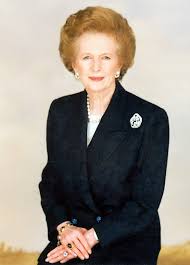
Margaret Thatcher, the first female Prime Minister of the United Kingdom, served from 1979 to 1990 and is often referred to as the ‘Iron Lady.’ Her policies and leadership style not only transformed British politics but also had a profound impact on global policy during the late 20th century. With her economic reforms and assertive foreign policy, she remains a polarising figure whose legacy is still actively debated today.
Thatcher’s Policies and Impact
Thatcher’s tenure was marked by a series of sweeping economic reforms aimed at reducing the role of the state in the economy. She championed free market policies, deregulation, and privatisation of state-owned industries. Critics argue that these measures led to increased inequality and the decline of traditional industries; however, supporters contend that they revitalised the British economy in the long term, leading to higher growth rates in the subsequent decades.
Thatcher’s approach to governance involved a strong emphasis on national sovereignty and a firm stance against the Soviet Union, which played a pivotal role in the Cold War context. Her close relationship with US President Ronald Reagan and her handling of the Falklands War in 1982 bolstered her image as a strong leader on the world stage.
Current Evaluations of Thatcher’s Legacy
As we approach the 40th anniversary of her election, evaluations of Thatcher’s legacy continue to evolve. Recent discussions have highlighted her impact on contemporary political thought in Britain and beyond. Her policies serve as a reference point for political debates over economic inequality and government intervention in the economy. Various opinion polls indicate that public perception of Thatcher remains sharply divided; some regard her as a beacon of economic reform, while others critically reflect on the social consequences of her policies.
Conclusion
Margaret Thatcher’s influence extends far beyond her time in office, making her a significant figure in both British and global history. As new generations of politicians navigate the challenges of their times, the discussions surrounding her legacy will likely continue to fare prominently in political discourse. Ultimately, whether viewed as a champion of economic reform or as a divisive figure responsible for socio-economic strife, her contributions have left an indelible mark on the fabric of British society and politics.