







Introduction
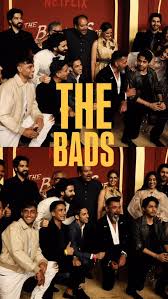
Bollywood, India’s prolific film industry, is celebrated for its vibrant storytelling, music, and dance. However, beneath the glittering surface lies a stark reality that often goes unnoticed—the various sociocultural issues and controversies that shape the industry. Understanding the ‘bads’ of Bollywood is crucial, as it offers insights into the challenges faced by film workers and the impact of these issues on both the industry and its audience.
Nepotism and Its Consequences
Nepotism has been a longstanding issue in Bollywood, often leading to a monopoly of talent from influential families. This was thrust into the spotlight following the tragic death of actor Sushant Singh Rajput in June 2020, which reignited debates about insider privilege and the struggles of outsiders. Critics argue that this practice undermines meritocracy and denies opportunities for deserving newcomers, fostering an environment that stifles diversity and innovation.
Mental Health Struggles
The pressures of fame and success can take a severe toll on the mental health of Bollywood stars. Despite being in the public eye, many actors face intense scrutiny and unrealistic expectations that can lead to anxiety and depression. Instances of mental health crises among stars have prompted growing discussions about the need for greater awareness and support within the industry. Initiatives are slowly emerging, aiming to destigmatise mental health issues and advocate for proper resources for those affected.
Controversies and Harassment
Bollywood has also been marred by numerous controversies, including allegations of sexual harassment. The MeToo movement gained momentum in India, with several prominent figures accused of misconduct, revealing the pervasive culture of silence and complicity. This has led to calls for systemic change, demanding accountability and a safer working environment for all actors, especially women. As audiences become more aware, a shift in the industry’s culture is being advocated.
Cultural Representation
Another critical issue is the representation—or lack thereof—of diverse voices and stories within Bollywood films. Critics contend that mainstream cinema often sidelines authentic narratives from marginalized communities, perpetuating stereotypes instead of offering nuanced portrayals. The need for more inclusive storytelling is increasingly recognised, with audiences calling for genuine representation in both front and back of the camera.
Conclusion
The ‘bads’ of Bollywood reveal a complex landscape that goes beyond glitter and glamour, reflecting deeper societal issues. Addressing these problems is essential for the industry’s evolution. As awareness increases, fans and industry insiders alike are demanding reforms and a more transparent environment.Support for mental health, diversity in representation, and the eradication of nepotism are just a few areas where action is needed. By confronting these challenges, Bollywood can strive towards being a more inclusive, supportive, and accountable industry, ultimately benefiting both its artists and audiences.