Introduction
The Zapad 2025 military exercise is anticipated to be one of the largest military drills conducted by Russia in recent years. Scheduled for September 2025, this exercise is crucial for understanding Russia’s military strategies and capabilities, as well as its geopolitical ambitions. Given the tensions in Eastern Europe and ongoing conflicts, the significance of Zapad 2025 cannot be overstated, being a barometer of Russia’s readiness and its message to NATO and its neighbours.
Details of the Exercise
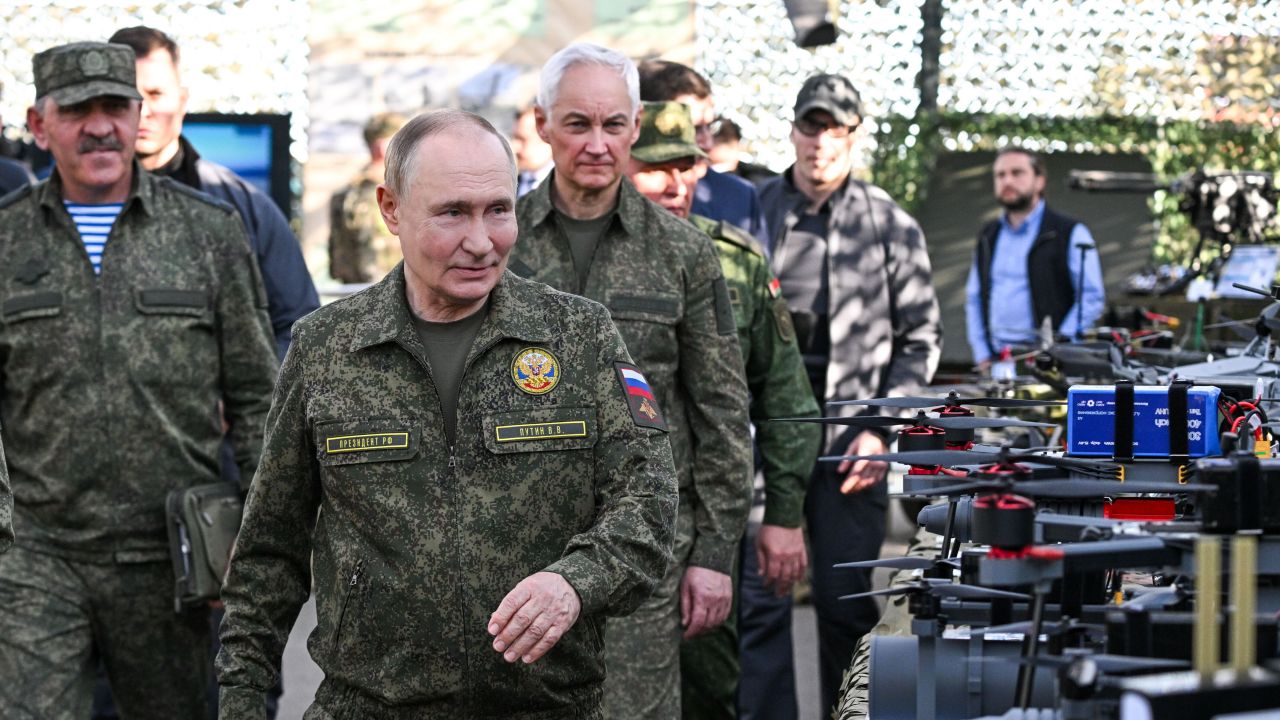
Zapad, which translates to “West” in Russian, has historically served as a platform for Russia to showcase its military prowess alongside Belarus. The 2025 iteration is expected to involve troops from several branches of the Russian Armed Forces, including ground, air, and naval forces. Reports indicate an estimated troop participation of 100,000 soldiers, simulating a range of conflict scenarios including large-scale conventional warfare and counter-insurgency operations.
This exercise is particularly noteworthy as it follows a series of military build-ups along the borders of NATO member states, raising alarms about Russia’s intentions in the region. Previous iterations of Zapad, notably in 2017 and 2021, drew criticism from Western nations over perceived aggression and the potential threat to regional stability.
International Reactions
The Zapad 2025 exercise has prompted reactions from NATO and European Union member states. Military analysts in the West are closely monitoring the preparations, viewing the drills as both a potential threat and a test of NATO’s resolve in Eastern Europe. NATO Secretary-General Jens Stoltenberg has previously stated that the alliance will adapt its defensive posture in response to Russian military activities, indicating an increasing focus on collective defence initiatives in light of the Zapad exercises.
Conclusion and Implications
As the Zapad 2025 military exercise approaches, its implications for regional security cannot be overlooked. The exercise is not merely a display of military strength; it serves as a political statement, reinforcing Russia’s position in global geopolitics. For NATO and other Western countries, it is a reminder of the necessity to maintain a robust defence capability and to engage in diplomatic efforts to avert conflict.
Forecasts indicate that the international community will watch closely as the exercise unfolds, hoping that it remains within the bounds of conventional training rather than escalating into confrontational posturing. Ultimately, Zapad 2025 will further shape the military landscape of Eastern Europe and could have lasting consequences for NATO-Russia relations.