Introduction to DFW Airport
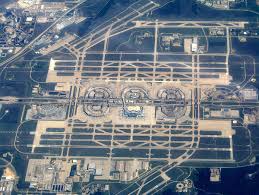
Dallas/Fort Worth International Airport, commonly known as DFW Airport, is a pivotal gateway for international travel and commercial aviation. Situated between Dallas and Fort Worth, Texas, DFW Airport serves as a hub for numerous airlines and has been pivotal in connecting passengers across the globe. The airport’s strategic location makes it one of the busiest in the United States, handling over 75 million travelers annually.
Recent Developments at DFW Airport
As of October 2023, DFW Airport has undertaken significant enhancement projects aimed at improving passenger experience and operational efficiency. One of the most notable developments is the ongoing expansion of Terminal D, which will include additional dining options and retail spaces, designed to cater to a growing number of international visitors.
Moreover, DFW has implemented advanced technology solutions including biometric screening and self-service kiosks to streamline the check-in process. This has been particularly important in light of the increased focus on health and safety measures post-pandemic.
Environmental Initiatives
DFW Airport is also committed to sustainability and environmental stewardship. The airport is investing in sustainable building practices and has implemented a comprehensive plan aimed at reducing carbon emissions by 30% by the year 2030. This initiative includes the use of electric ground support equipment and enhanced waste reduction programs.
Conclusion: The Future of DFW Airport
As DFW Airport progresses into a new era of travel, its commitment to enhancing passenger experience and fostering sustainability showcases its role as a leader in the aviation industry. With ongoing investments and innovations, DFW is well-positioned to continue serving millions of passengers while contributing positively to the environment. Future travelers can anticipate a more convenient and efficient experience at one of the world’s premier airports.