Introduction
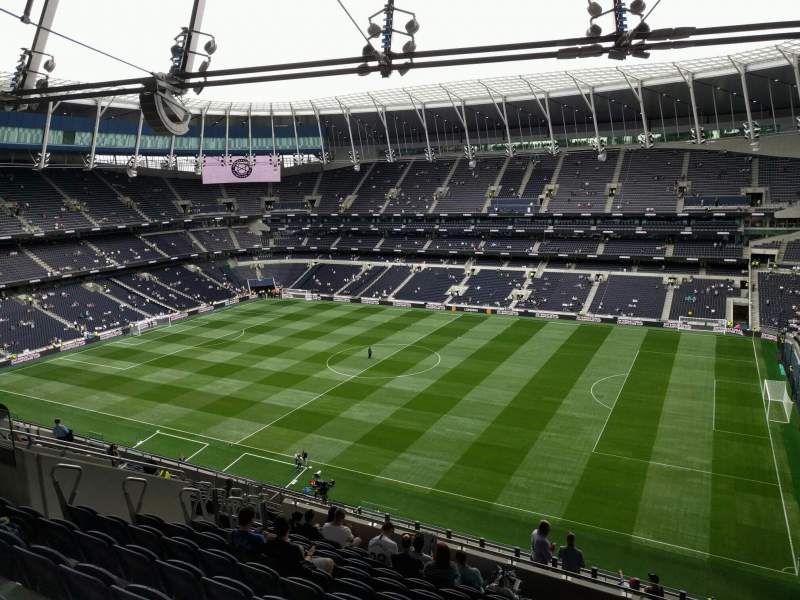
The Tottenham Hotspur Stadium, located in North London, is not only the home of Tottenham Hotspur Football Club but also a landmark of modern sports architecture. Since its opening in April 2019, the stadium has drawn attention for its cutting-edge design and state-of-the-art facilities, making it a significant addition to the local community and a hub for sporting events.
Design and Features
The stadium boasts a seating capacity of 62,850, making it one of the largest football venues in the UK. Its design includes features such as a retractable pitch, allowing the venue to host both football matches and NFL games. The state-of-the-art facilities include a club museum, shops, and a rooftop restaurant that offers fans a panoramic view of the pitch.
Moreover, the stadium incorporates sustainable technologies, including rainwater harvesting and energy-efficient systems to reduce its environmental impact. Its construction, which cost approximately £1 billion, has enabled the club to enhance its revenue streams through hosting a variety of events, ranging from concerts to NFL games, thus benefiting the local economy.
Significant Events
Since its opening, the stadium has been the site for significant matches, including UEFA Champions League games and local derbies against rivals such as Arsenal and Chelsea. High-profile events have also taken place, including hosting NFL games, which has broadened its appeal and provided the club the opportunity to engage with a wider audience.
The stadium was also the backdrop for the 2020 FA Cup finals, showcasing its capability to host prestigious events. In recent months, there has been local community engagement initiatives, including charity matches and events, which emphasize the role of the stadium as a community hub.
Conclusion
The Tottenham Hotspur Stadium stands as a testament to the club’s ambition and commitment to providing an unrivalled experience for fans and visitors. Its innovative design, coupled with the versatility as a multi-purpose venue, reinforces its position as a cornerstone of London’s sporting landscape. As the club continues to grow, the stadium is set to play an increasingly vital role in hosting events not only for football fans but also for the wider community, promising a bright future for sports in the area.