Introduction to Gerrymandering
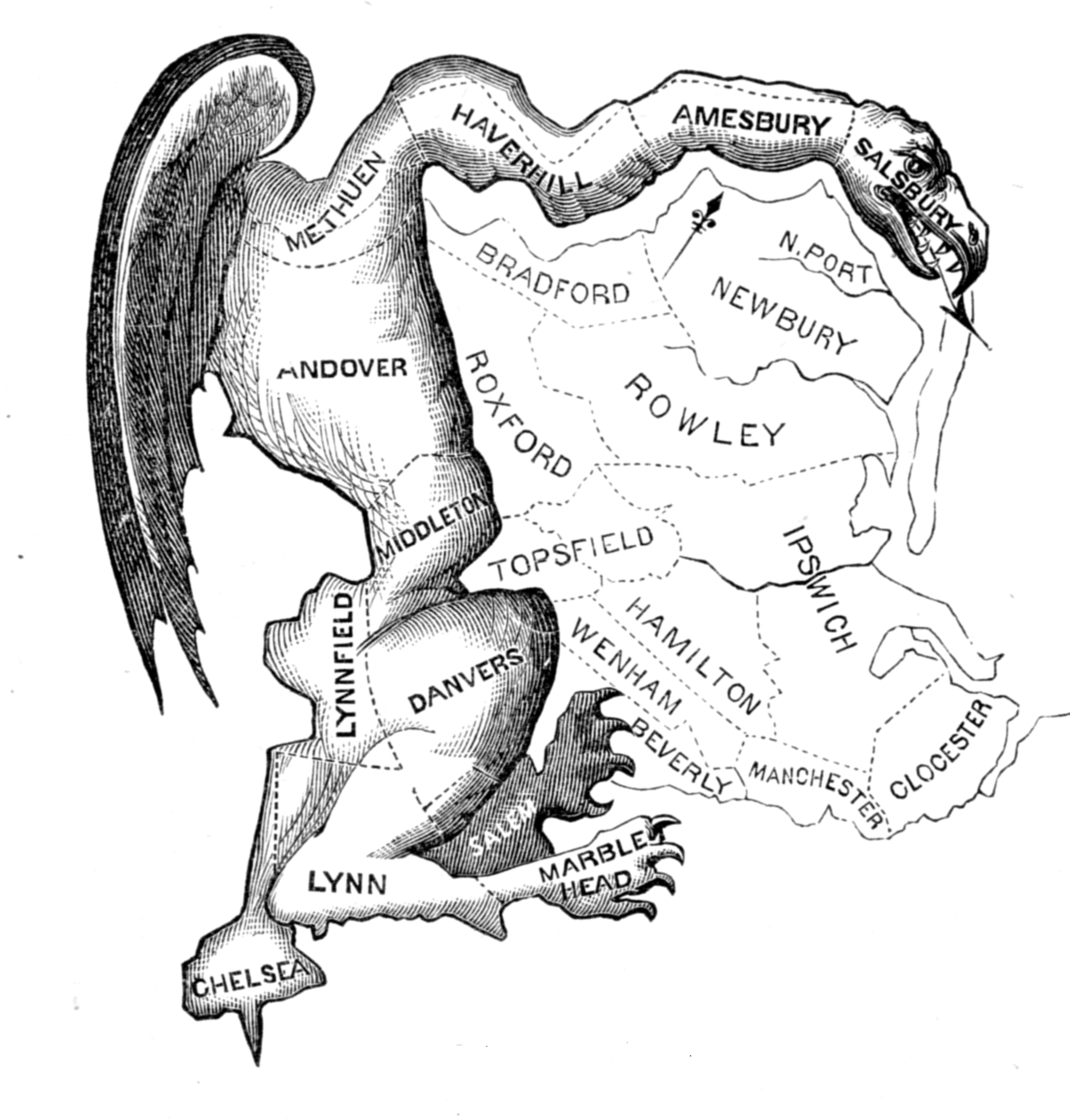
Gerrymandering refers to the manipulation of electoral district boundaries to favour a particular political party or group, leading to potential imbalances in representation. The practice dates back to the early 19th century but has gained renewed scrutiny in today’s political climate, as concerns about election integrity and democratic fairness grow. Understanding the implications of gerrymandering is crucial as it directly influences voter representation and legislative outcomes.
Current Events and Legal Challenges
Recently, gerrymandering has come under the spotlight in various states across the United States. For instance, in North Carolina and Wisconsin, courts have taken significant actions against map layouts deemed excessively partisan. In a landmark ruling from the U.S. Supreme Court in 2019, the court decided that political gerrymandering claims presented beyond the reach of federal courts, leading to a fragmented approach within different states. This division has resulted in various legal battles as states strive to craft fairer electoral maps.
In the 2022 midterm elections, the effects of gerrymandering were starkly visible. Some analysts noted that despite one party receiving fewer overall votes, they still secured a majority in the House of Representatives, highlighting the discrepancies caused by strategically drawn districts. This has prompted numerous advocacy organisations, such as the League of Women Voters and Fair Districts, to push for reform and greater transparency in the redistricting process.
Implications for Voters and Democracy
The ramifications of gerrymandering extend beyond individual elections; they threaten the very foundation of democratic systems. By creating ‘safe’ districts, gerrymandering reduces competition, leading to voter apathy and lower turnout rates. Moreover, it often results in the disenfranchisement of minority groups, further eroding trust in the electoral process. Research from the Brennan Center for Justice indicates that gerrymandering disproportionately affects communities of colour, thus exacerbating systemic inequalities in representation.
Conclusion
As the political landscape evolves, the discourse surrounding gerrymandering remains a critical focus. With an increased call for equitable representation and fair electoral practices, the future of redistricting may hinge on reforms at both state and national levels. Advocates argue that implementing independent redistricting commissions and using technology to drive transparency in the drawing of electoral maps could mitigate the adverse effects of gerrymandering. Ultimately, to uphold the democratic ideal of fair representation, it is essential for voters and policymakers to remain vigilant against the manipulations inherent in gerrymandering.