







The Importance of Understanding Antifa
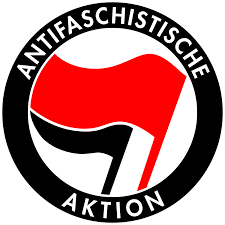
Antifa, short for ‘anti-fascist’, refers to a broad and complex movement that aims to oppose fascism and other forms of extreme right-wing ideologies. Its significance has gained immense relevance, especially in the wake of socio-political events in recent years. The discussions around Antifa can be polarising, often intersecting with debates about free speech, civil rights, and political correctness. Understanding this movement is crucial for comprehending the current social climate and the actions stemming from it.
Historical Background
The roots of Antifa can be traced back to Europe in the 1920s and 1930s, where it emerged in opposition to fascist regimes. Activists sought to combat the rise of Nazism through direct action, often employing confrontational tactics. With a resurgence in interest in modern times, particularly during and after the 2016 United States presidential election, Antifa has been extensively involved in protests against far-right groups and ideologies.
Beliefs and Tactics
Members of Antifa generally embody a range of beliefs united by a core opposition to fascism, white supremacy, and neoliberalism. The group operates loosely, without a central command or official membership. Tactics commonly associated with Antifa include counter-protests to far-right rallies, physical confrontations with extremist groups, and the dissemination of anti-fascist literature. These methods often spark debate regarding the effectiveness and morality of their approach.
Current Events and Influence
In recent years, particularly following events such as the Unite the Right rally in Charlottesville in 2017 and the protests surrounding the Black Lives Matter movement, Antifa has gained notoriety. Some have labelled it as a terrorist organisation, while others advocate for its right to protest under the umbrella of free speech. The group has also faced significant pushback, including from politicians and conservative commentators who challenge its methods and ideology.
Conclusion and Significance for Readers
Antifa remains a contentious topic with continuing relevance in contemporary discussions about ideology, protest, and civil rights. Observers and participants alike must grapple with the implications of Antifa’s existence and activities. As social movements continue to evolve, understanding the motivations and criticisms surrounding Antifa is essential for those seeking to engage with the political landscape. The dialogue will likely continue to develop, as the movement faces both challenges and unprecedented scrutiny in a rapidly changing world.