Introduction
Pepe the Frog, originally created by artist Matt Furie in his comic series ‘Boy’s Club’, has transcended its origins to become a prominent cultural icon on the internet. Initially seen as a harmless meme, Pepe’s evolution demonstrates the shifting dynamics of online communities and the complex nature of internet culture. Understanding Pepe is crucial, as it encapsulates both the joys and the darker undercurrents of digital discourse.
The Rise of Pepe
Pepe first gained popularity on platforms like MySpace and 4chan around the mid-2000s. The character, depicted as a laid-back frog with a range of expressions, resonated with users, allowing them to express various emotions. Pepe’s catchphrase “feels good man” became synonymous with the relatable nature of the meme, showcasing how simple imagery can encapsulate shared experiences among netizens.
Controversial Turn
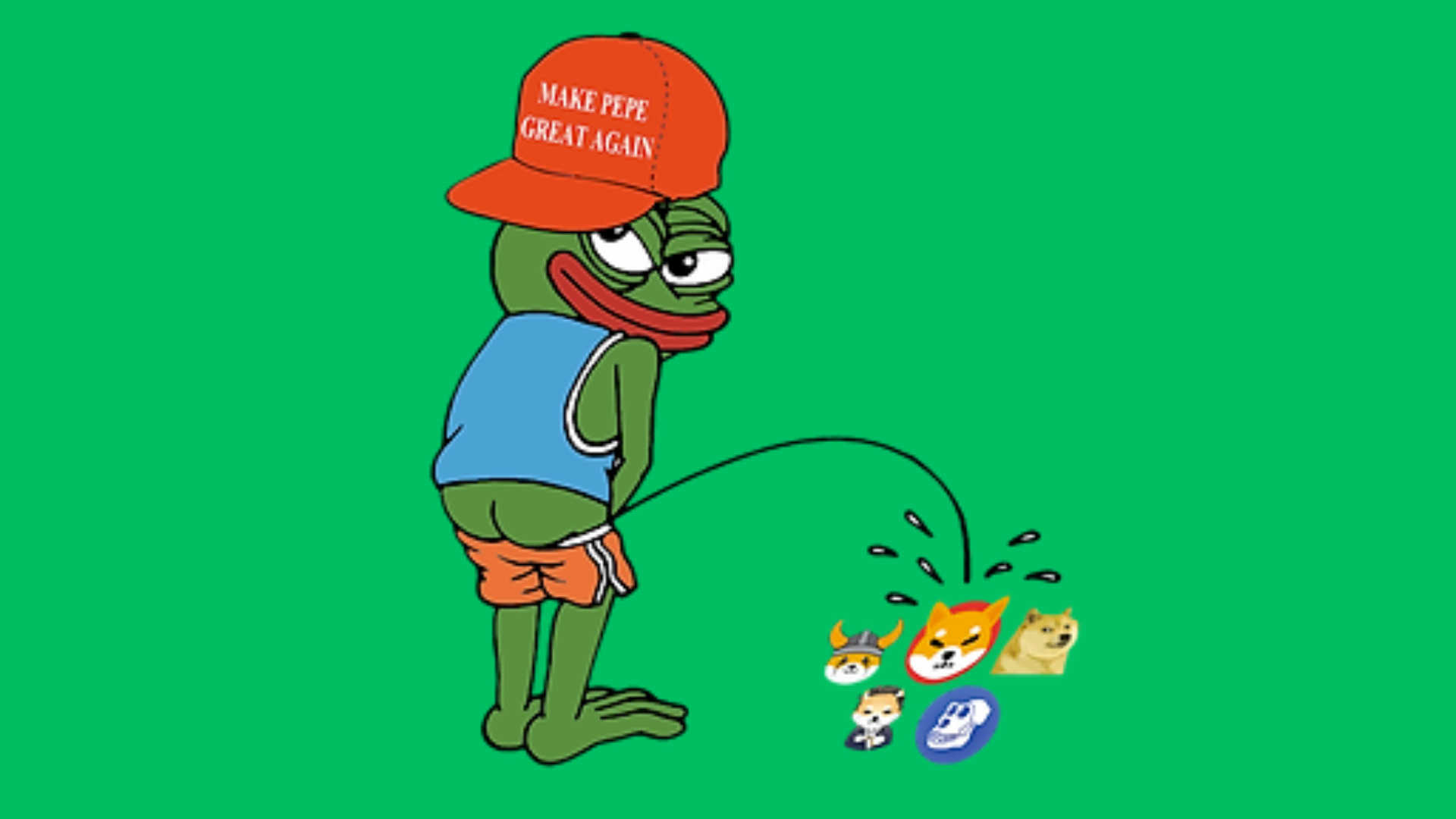
However, the innocent beginnings of Pepe took a controversial turn during the 2016 United States presidential election. As extremist groups adopted Pepe as a symbol, the character was co-opted into a wide range of political dialogues, often promoting hate and division. This transformation led to Pepe being classified as a hate symbol by the Anti-Defamation League (ADL), causing Furie to campaign for the character’s reclamation to its original, whimsical intent.
Current Relevance
Despite the controversies, Pepe remains a versatile figure in online culture. The evolution of Pepe over the years reflects broader themes in social media, including how symbols can be manipulated and redefined based on context. Recent discussions surrounding Pepe have highlighted the importance of meme literacy and the ability for individuals to navigate and discern the variety of messages conveyed through seemingly simple images.
Conclusion: The Future of Pepe
As internet culture continues to evolve, so will the perception and usage of Pepe the Frog. For many, Pepe serves as a reminder of the complexity of memes and their impact on modern communication. The debate surrounding Pepe emphasizes the importance of understanding the origins and contexts of online symbols. As communities continue to engage with digital content, it remains essential to approach these icons with a nuanced perspective, recognising their ability to reflect both the good and the bad aspects of human interaction on the internet.