Introduction
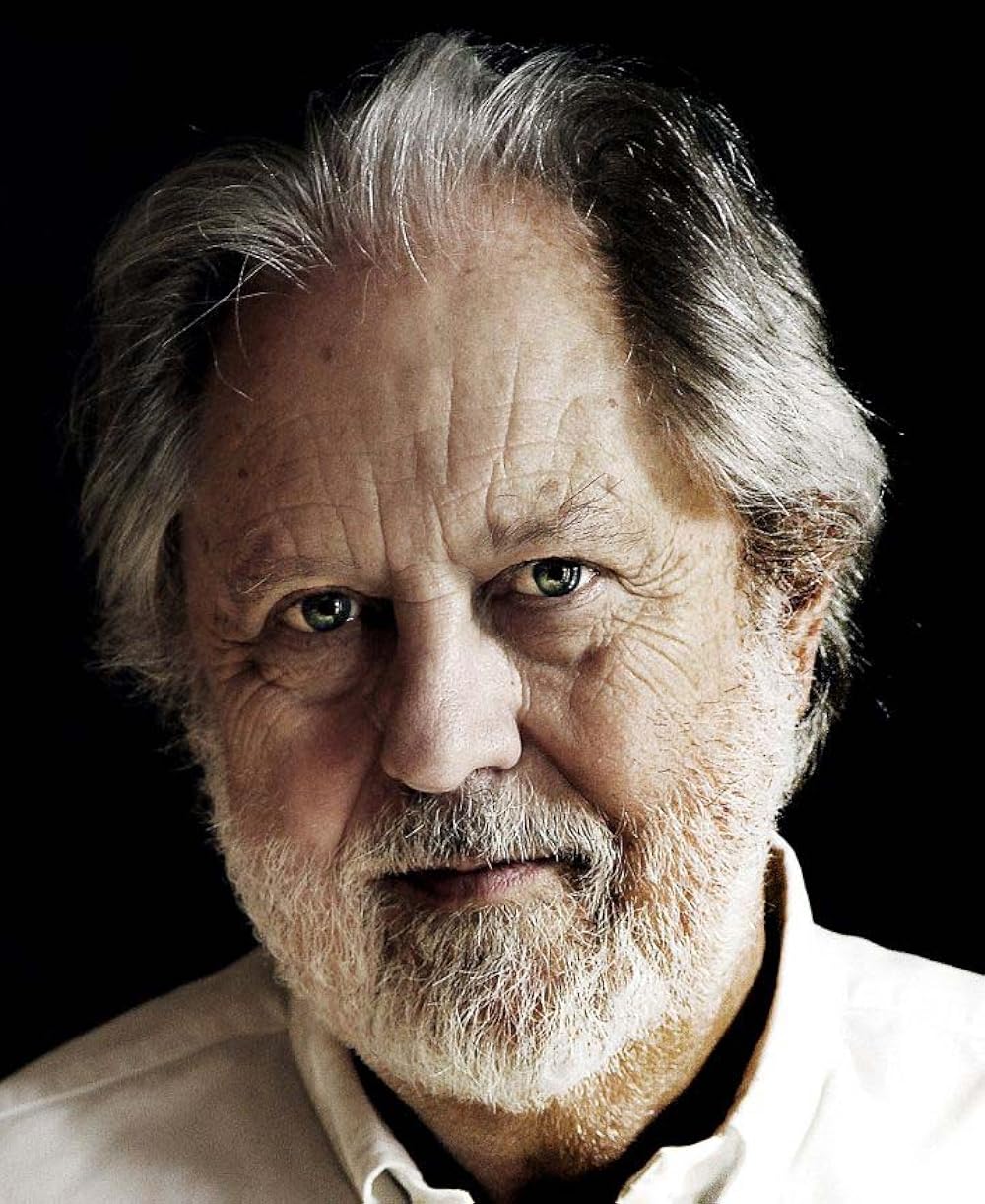
David Puttnam is a prominent figure in the film industry, renowned for his work as a producer and director. His influence extends beyond cinema, touching on education and environmental advocacy, making him a significant cultural personality. Puttnam’s contributions to British film and his later work in promoting film education highlight the relevance of his legacy in today’s cultural landscape.
Career Highlights
Beginning his career in the 1960s, Puttnam made a name for himself with landmark films such as Midnight Express (1978), which won two Academy Awards, and Chariots of Fire (1981), which received four Oscars, including Best Picture. His exceptional ability to tell compelling stories with a profound social message has earned him respect both in the UK and internationally.
In 1986, he became the head of Columbia Pictures, but his passion for independent film led him to continue his work in production. Puttnam’s vision included nurturing a new generation of filmmakers, as he often advocated for projects that conveyed ethical and humanitarian themes. His dedication to storytelling intersected with his roles in various national and international film committees.
Education and Advocacy
Beyond filmmaking, Puttnam has been an influential advocate for film education. In 2002, he played a crucial role in the establishment of the National Film and Television School’s alumni network. He believes that understanding the art of storytelling is vital for young people’s development and their understanding of the world.
His contributions to education were further recognised when he served as Chancellor of the University of Sunderland from 2005 to 2010, promoting liberal arts education and fostering creativity within academia.
Current Projects and Future Directions
As of 2023, David Puttnam continues to be an active voice in the film industry, advocating for sustainable filmmaking practices and harnessing technology for storytelling. His recent projects involve exploring climate change narratives through the medium of film, reflecting his commitment to addressing contemporary global issues.
Conclusion
David Puttnam’s career exemplifies the power of film as a means of inspiring change, educating audiences, and telling important stories. As he continues to innovate within the industry, his legacy serves as a reminder of the cultural significance of film – not just as entertainment, but as a crucial tool for social impact. For audiences and aspiring filmmakers alike, Puttnam remains a vital figure, one whose work encourages a deeper appreciation of the narratives we consume and create.