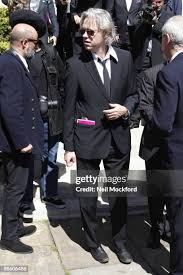
Introduction
Bob Geldof, the Irish musician, songwriter, and political activist, has long been a prominent figure in both the music industry and global philanthropic efforts. Known for his distinctive voice and social commitment, Geldof’s influence extends beyond the stage. His work, particularly in addressing world poverty and famine, serves as a vital example of how artists can leverage their platforms for social change. Recent discussions around his career reveal renewed interest and relevance in today’s socio-political climate.
Career Highlights
Born on October 5, 1951, in Dún Laoghaire, Ireland, Geldof rose to fame in the late 1970s as the lead singer of the Boomtown Rats, a band that achieved significant success in both the UK and internationally. Their iconic hit, ‘I Don’t Like Mondays,’ became a defining song of the era, showcasing not only Geldof’s musical talent but also his capacity to address societal issues through art.
However, it was Geldof’s activism that truly cemented his legacy. In 1984, he co-wrote the charity single ‘Do They Know It’s Christmas?’ to raise funds for famine relief in Ethiopia. The song, featuring numerous famous artists, was a phenomenal success, raising millions. His initiative catalysed similar efforts, leading to the creation of the Live Aid concert in July 1985, where Geldof and fellow musician Midge Ure raised over £50 million for famine relief.
Recent Developments
Despite having a career spanning several decades, Geldof remains active in music and advocacy. In September 2023, he participated in a series of global events aimed at revitalising awareness of poverty and development issues exacerbated by climate change. His recent remarks highlight the ongoing challenges in addressing systemic inequalities exacerbated by crises like the COVID-19 pandemic.
Furthermore, Geldof’s involvement with ‘Band Aid’ has prompted renewed discussions on international aid and the effectiveness of celebrity-led initiatives. Critics argue about the sustainability of such programs while supporters cite the importance of raising awareness.
Conclusion
Bob Geldof’s journey through music and activism illustrates a profound commitment to addressing global challenges. His approach highlights the intricate relationship between art, influence, and responsibility. As the world grapples with pressing issues like poverty, inequality, and climate change, Geldof’s legacy encourages individuals to harness their talents for greater good. Moving forward, his voice will likely continue to inspire both established and emerging artists to engage in social activism, ensuring that the fight against poverty remains on the global agenda.