Introduction
The Gaza Strip, a small territory along the Mediterranean coast, has been a focal point of geopolitical tension for decades. In recent months, the situation has escalated dramatically, drawing international attention and concern. The ongoing humanitarian crisis in Gaza is not only a matter of regional stability but also raises important moral questions about human rights and international law.
Recent Developments
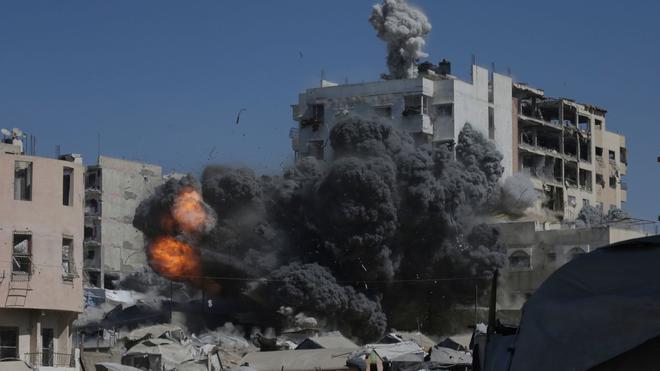
As of late 2023, the Gaza Strip is experiencing severe humanitarian challenges due to ongoing conflict and blockades. According to the United Nations, more than two million residents face dire living conditions, with limited access to essential services such as clean water, electricity, and healthcare. Recent hostilities have intensified due to increased military operations, resulting in significant loss of life and further exacerbation of the humanitarian crisis.
The situation worsened after the flare-up of violence in October, which resulted in a record number of casualties and damage to critical infrastructure. Reports indicate that more than 5,000 people have died since the escalation began, with thousands more injured. The international community, including various humanitarian organisations like the Red Cross, has called for immediate ceasefires and increased humanitarian aid access.
International Response
The response from world leaders has been mixed, with some urging for peace negotiations while others have provided support to one side or the other. Notably, the United Nations Security Council has convened multiple sessions to address the ongoing violence, but resolutions have faced vetoes and delays. Grassroots organisations have begun to mobilise in countries around the world, holding rallies and raising awareness about the plight of those living in Gaza.
In recent weeks, several nations have pledged financial aid to assist in humanitarian efforts, although critics argue that immediate political solutions are necessary to bring lasting peace.
Conclusion
The situation in Gaza remains precarious, with urgent demands for humanitarian aid and long-term political solutions needed now more than ever. As international attention continues to focus on the region, it is crucial for global leaders and citizens alike to advocate for the human rights of the people in Gaza and to support efforts aimed at achieving comprehensive peace.
Looking ahead, the prospects for change in Gaza depend on sustained international pressure and diplomatic engagement. The significance of this crisis extends beyond the immediate region, impacting global stability and security. It is a stark reminder that conflicts like those in Gaza, if left unresolved, can have far-reaching consequences on an international scale.