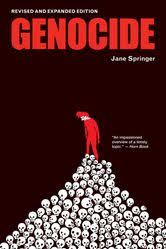
The Importance of Recognising Genocide
Genocide is a term that evokes deep emotional responses and is one of the gravest crimes against humanity. Defined as the deliberate and systematic destruction of a racial, ethnic, national, or religious group, genocide carries significant implications for global peace and security. This topic remains highly relevant in today’s world as we reflect on historical events and ongoing conflicts that continue to threaten lives and cultures across nations.
Current Events and Facts
Recent reports highlight the situation in regions like Myanmar, where the Rohingya population has faced systematic violence and displacement. The United Nations has termed the situation a genocide, emphasising the urgent need for international response. Additionally, the ongoing crisis in Ethiopia’s Tigray region has raised alarms among human rights organisations, as allegations of ethnic cleansing and genocide emerge. These instances underline the necessity for awareness and action against genocidal policies and practices.
Furthermore, the global community has seen an unsettling rise in hate speech and discrimination against various groups. In many cases, these attitudes have led to violence and, potentially, genocidal acts. Education on the history of genocides, including the Holocaust, the Rwandan Genocide, and the Armenian Genocide, serves as a constant reminder of the consequences of unchecked hate and prejudice.
Significance of International Law
International law plays a vital role in the prevention and prosecution of genocide. The Genocide Convention, adopted by the United Nations in 1948, is a pivotal framework aiming to hold individuals accountable for committing acts of genocide. However, enforcing these laws often proves to be challenging, as seen in the reluctance of nations to intervene in sovereign matters, even when genocidal actions are evident.
Conclusion: A Call for Collective Action
As we continue to witness atrocities worldwide, it is critical for individuals and governments to raise awareness and advocate for justice regarding genocide. The past teaches us that silence and apathy towards such events can lead to irreversible consequences. The international community must emphasise education, preventative measures, and prompt action in response to signs of genocide.
In a world increasingly interconnected, understanding and recognising the signs of genocide can empower individuals to stand against hate and promote a future where human rights are upheld for everyone, regardless of their background. The fight against genocide is ongoing, but through collective awareness and action, there is hope for change.