Introduction
The Hillsborough disaster is one of the most harrowing events in British sports history, where 96 football fans tragically lost their lives during a match at Hillsborough Stadium in Sheffield on April 15, 1989. This incident not only shook the nation but also underscored critical issues regarding crowd safety and emergency response procedures at sporting events. The significance of this topic continues to resonate today, as it has led to major reforms in football safety regulations and ongoing discussions about fan safety and accountability.
Details of the Disaster
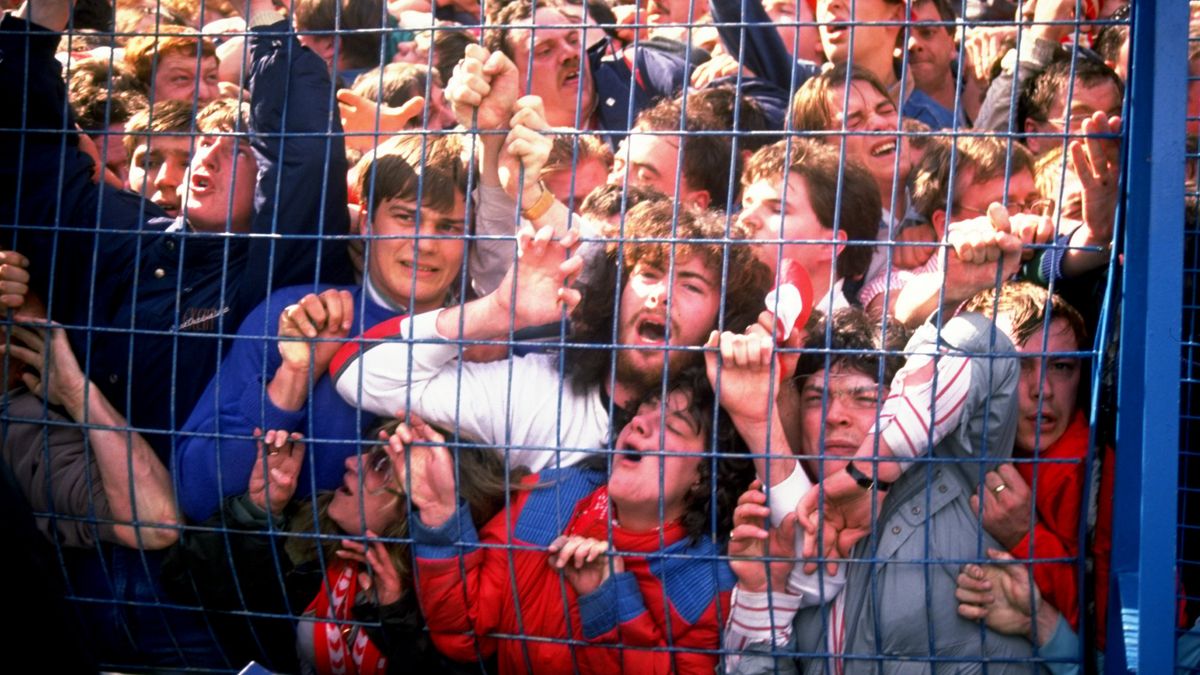
On the fateful day, Liverpool FC was playing Nottingham Forest in an FA Cup semi-final. The stadium was overcrowded, with spectators forced into pen three of the stand, ultimately leading to fatal injuries as fans were crushed against the perimeter fencing. Emergency services faced severe criticism for their delayed response, and subsequent investigations highlighted reckless negligence in crowd management.
In the aftermath, families of the victims campaigned tirelessly for justice, seeking truth about the events of that day. The initial police report inaccurately portrayed the fans as responsible for the disaster, only for further inquiries to exonerate them and reveal systemic failures in policing and stadium management. The Hillsborough Independent Panel reported in 2012 that 41 of the deceased could have potentially survived with proper emergency care.
Government and Regulatory Changes
The events surrounding the Hillsborough disaster sparked a profound transformation in stadium safety regulations across the United Kingdom. The Taylor Report, commissioned shortly after the tragedy, advocated for all-seater stadiums and stricter safety measures. This pivotal document prompted the implementation of key reforms, which have greatly enhanced crowd safety not only in football but across various sporting events.
Furthermore, the disaster triggered public and legal scrutiny that paved the way for the creation of the Football Licensing Authority, establishing vital safety standards for all UK football grounds.
Commemoration and Ongoing Awareness
Every year, Liverpool FC and the wider community commemorate the victims of the Hillsborough disaster, reaffirming their commitment to never forget the tragedy. Memorial events, songs, and community vigils serve as poignant reminders of the loss and the necessity of ensuring safety in sports. Furthermore, the legacy of Hillsborough continues to inspire reforms and checks to prevent future calamities, driving dialogues about accountability and the importance of fan welfare.
Conclusion
The Hillsborough disaster serves as a stark reminder of the fragility of life, especially in situations where safety measures are neglected. As the fight for justice and accountability continues, the lessons learned from that fateful day remain etched in the hearts of those affected and highlight the vital importance of ensuring the safety of fans at sporting events. As we reflect on this tragedy, it is crucial to honour the memories of those lost by working towards a safer future for all sports enthusiasts.