Introduction
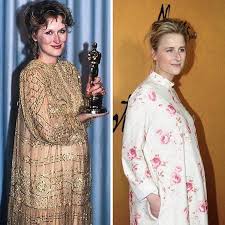
Meryl Streep, widely regarded as one of the greatest actresses of all time, continues to captivate audiences with her unparalleled talent and versatility. Her ability to inhabit diverse characters has earned her critical acclaim and a multitude of awards, making her an enduring figure in the film industry. As Hollywood evolves, Streep’s role in challenging gender norms and advocating for equality remains profoundly relevant.
A Distinguished Career
Born on June 22, 1949, in Summit, New Jersey, Meryl Streep’s passion for acting led her to study drama at Vassar College and later at the Yale School of Drama. She made her film debut in 1977 and gained early recognition with roles in movies like “The Deer Hunter” and “Kramer vs. Kramer,” for which she won her first Academy Award.
Over the decades, Streep has showcased her range through various roles, including her compelling portrayal of Margaret Thatcher in “The Iron Lady,” for which she received her third Oscar. Each performance contributes to her legacy, with notable films such as “Sophie’s Choice,” “Out of Africa,” and “The Devil Wears Prada,” showcasing her ability to shift seamlessly between genres.
Recent Work and Recognition
Streep’s recent projects further demonstrate her remarkable adaptability. In 2022, she starred in “Don’t Look Up,” a satirical film about climate change, which received critical acclaim and showcased her ability to tackle contemporary issues through art. Her performances continue to resonate with audiences across generations, solidifying her status as a cultural icon.
Moreover, she has received numerous accolades, including a record 21 Academy Award nominations and three wins, alongside countless BAFTA, Golden Globe, and Screen Actors Guild awards. Her prowess and enduring success serve as a testament to her talent and dedication to her craft.
Advocacy and Impact
Beyond her acting career, Streep’s advocacy for equality and women’s rights has made her a prominent voice in Hollywood. She has been an outspoken advocate against sexual harassment and discrimination, encouraging other actresses to share their experiences. During her acceptance speeches, she often highlights the importance of representation and the need for authentic storytelling.
Conclusion
Meryl Streep’s contributions to cinema extend beyond her impressive filmography. Her work has shaped the landscape of the film industry, inspiring future generations of actors and filmmakers. As she continues to take on new roles and challenges, her influence remains significant. Streep exemplifies how art can be a vehicle for change, making her an essential figure not only in Hollywood, but in the global dialogue surrounding women’s rights and representation.