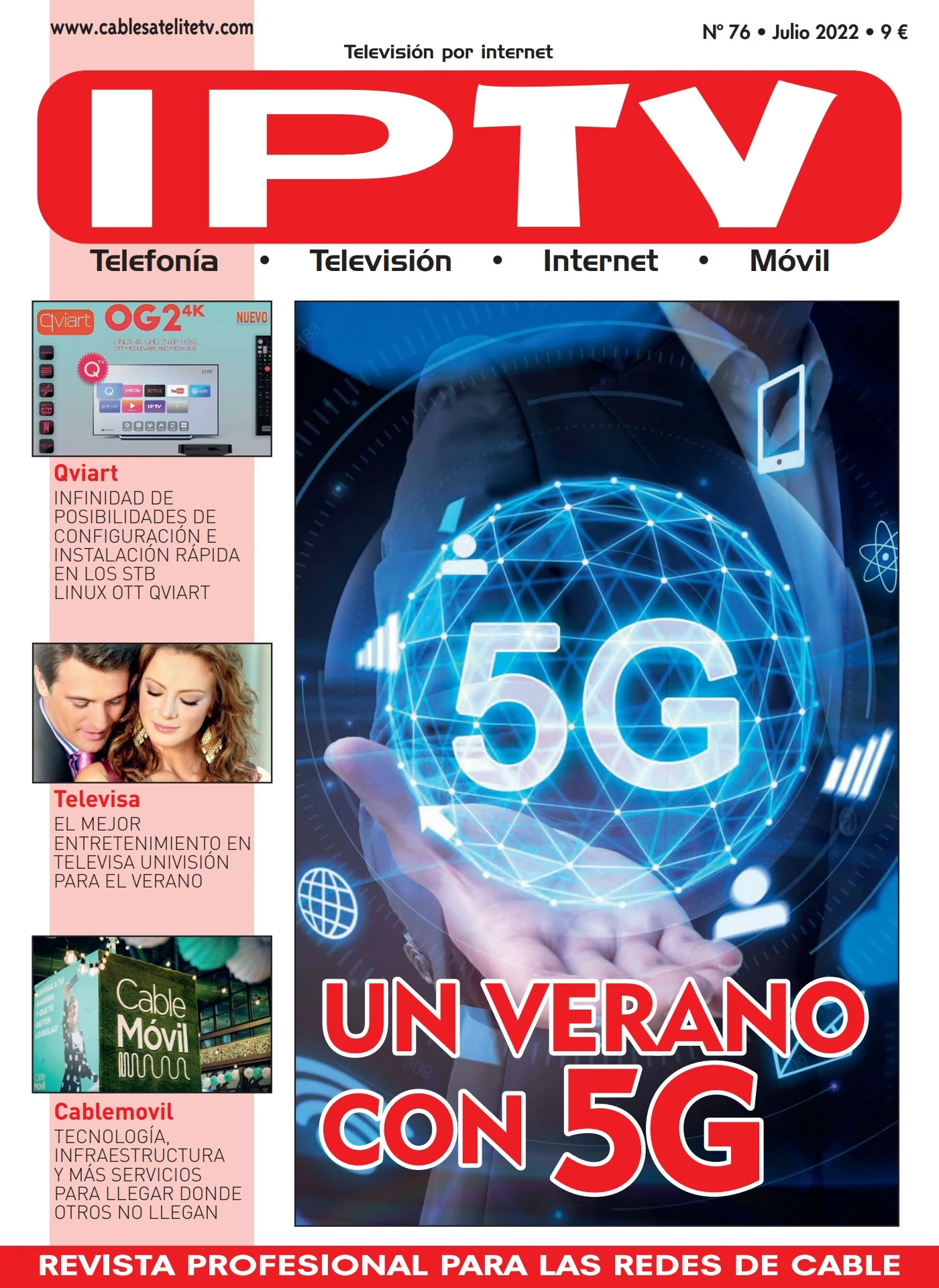
Introduction to IPTV
Internet Protocol Television (IPTV) has emerged as a significant player in the world of broadcasting, transforming how audiences consume television and video content. With the proliferation of high-speed internet access, IPTV offers a more flexible and user-centric viewing experience compared to traditional cable and satellite services. This article delves into what IPTV is, its significance in today’s media landscape, and its implications for the future of entertainment.
What is IPTV?
IPTV stands for Internet Protocol Television, a technology that allows television programming to be delivered using the Internet protocol suite instead of traditional radio frequency and satellite signals. IPTV delivers content directly to end-users through a broadband connection, which allows for greater interactivity and on-demand access to television shows, movies, and other multimedia content.
The Growing Popularity of IPTV
According to recent research by Digital TV Research, the global IPTV market is projected to reach over $100 billion by 2025. The factors contributing to this growth include the increasing number of internet users, the rise of smart TVs, and the demand for on-demand content. Major providers such as Netflix, Amazon Prime Video, and Hulu have paved the way by offering vast libraries of video content accessible on demand.
IPTV services usually come in various models including subscription-based services, pay-per-view, and ad-supported offerings. This flexibility allows consumers to choose packages that suit their viewing preferences and budgets, making it an attractive option for many.
Key Advantages of IPTV
One of the most significant advantages of IPTV is its ability to provide a personalised viewing experience. Users can watch their chosen programmes anywhere, anytime, across various devices including computers, smartphones, tablets, and smart TVs. Additionally, features like time-shifted viewing, catch-up TV, and video-on-demand services further enhance the user experience.
Challenges Facing IPTV
Despite its advantages, IPTV faces several challenges. One major concern is the need for robust bandwidth; slow internet connections can lead to buffering and disrupted viewing experiences. Moreover, regulatory issues in different countries can affect the availability and legality of certain IPTV services. There are also concerns about piracy and the availability of illegal IPTV streams, which pose ethical and legal challenges for the market.
Conclusion
As technology continues to evolve, IPTV is set to play an increasingly important role in how content is consumed. With its blend of interactivity, convenience, and a wide range of content options, IPTV is poised to redefine the entertainment landscape. As more viewers shift away from traditional cable services, industry stakeholders will need to adapt to meet the changing desires and expectations of modern audiences. For consumers, the shift to IPTV not only offers greater choice and flexibility but also sets a precedent for the future direction of media consumption.