Introduction
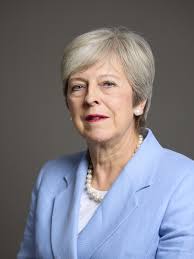
Theresa May, who served as the Prime Minister of the United Kingdom from 2016 to 2019, played a pivotal role in shaping contemporary British politics. Her tenure was marked by key issues such as Brexit, domestic policies, and her leadership approach amidst unprecedented challenges. Understanding her impact is crucial for assessing both past and current political landscapes, especially as the UK continues to navigate its post-Brexit identity.
May’s Rise to Power
Born on October 1, 1956, in Eastbourne, Sussex, Theresa May studied geography at St. Hugh’s College, Oxford, and quickly entered the political arena. She was elected as the Member of Parliament for Maidenhead in 1997. After a series of cabinet roles, she became Home Secretary in 2010, where she established a reputation for reforming immigration policies and increasing national security measures.
Brexit Negotiations
May ascended to the premiership in July 2016, succeeding David Cameron following the EU Referendum. With approximately 52% of voters favouring leaving the EU, May’s primary focus became executing this mandate through the protracted and often tumultuous negotiations with the European Union. The challenges May faced included internal party divisions, public dissent, and criticisms of her negotiation strategy, particularly in relation to the Irish backstop.
Domestic Policies and Challenges
Besides Brexit, May’s government was notable for its domestic policies. She introduced the Industrial Strategy to improve productivity and innovation, presented reforms affecting housing, and tackled issues such as the National Health Service funding. However, her tenure was marred by controversies, including her handling of the Grenfell Tower fire aftermath and the widespread criticism of austerity measures that impacted public services.
Stepping Down and Legacy
May’s inability to secure a conclusive Brexit deal ultimately led to her resignation in May 2019, after losing the support of her party and facing intense pressure from both the public and opposition parties. Despite her departure from office, her tenure sparked significant discussions surrounding leadership, gender politics, and the complexities of negotiating major constitutional changes.
Conclusion
Theresa May’s impact on British politics continues to resonate today, illustrating the challenges faced by leaders in navigating domestic and international landscapes. While her time as Prime Minister was fraught with difficulties, it also highlighted the shifting dynamics within the Conservative Party and the broader implications of Brexit. As the UK evolves post-Brexit, May’s policies and decisions offer crucial lessons in governance, leadership, and the intricacies of political negotiation. Her legacy, although contentious, remains an important chapter in the history of the United Kingdom.