Introduction
Ole Gunnar Solskjær, renowned for his time as a player and manager, remains one of the most significant figures in modern football. His legacy, particularly at Manchester United, is characterised by memorable moments and a rich understanding of the game. Understanding Solskjær’s impact on football is crucial for fans and aspiring managers alike, as his strategies and philosophies provide valuable insights into team dynamics and success.
Career Overview
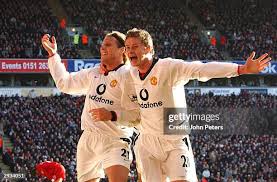
Solskjær began his professional career in Norway with Clausenengen and then moved to Molde FK, where he showcased his goal-scoring prowess. He caught the eye of Manchester United scouts and signed for the club in 1996. During his 11-year playing career with the Red Devils, Solskjær became a cult hero, renowned for his legendary goal in the 1999 UEFA Champions League final, which secured a historic treble for Manchester United.
Managing Manchester United
In December 2018, Solskjær was appointed as the interim manager of Manchester United, building on his legacy as a player. Initially, he revitalised the team, leading them to an unbeaten run in the Premier League and an impressive victory in the UEFA Champions League over Paris Saint-Germain. His appointment as permanent manager in March 2019 was met with enthusiasm, as fans embraced his club legend status.
However, the management phase had its ups and downs. Although Solskjær led the team to a second-place finish in the 2020-2021 season and the final of the UEFA Europa League, he faced challenges in delivering trophies during his tenure. In November 2021, after a string of disappointing results, he left the managerial position.
Impact and Philosophy
Solskjær’s approach to management emphasised several key elements: attacking football, player development, and a strong connection to the club’s values. He focused on nurturing young talent, bringing players like Mason Greenwood and Marcus Rashford to the forefront, and restoring the attacking brand that Manchester United was known for. His commitment to promoting youth indicates a trend that future managers could adopt.
Conclusion
Ole Gunnar Solskjær’s journey as a player and manager encapsulates the spirit of Manchester United and the broader landscape of football. Though his managerial reign ended without silverware, his influence on the club’s direction and youth development will be felt for years to come. As football continues to evolve, Solskjær’s legacy serves as a reminder of the balance between passion, tactics, and a deep connection to club identity—an essential lesson for future generations of players and managers.