Introduction
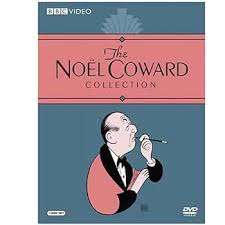
Noel Coward, a multi-talented playwright, composer, and actor, remains a quintessential figure in British theatre. His work spans over half a century, with his sharp wit and keen social observations resonating even today. As we observe the centenary of many of his prominent works, it’s crucial to reflect on Coward’s impact on the arts and culture of Britain, making him a prominent topic of discussion in contemporary theatre circles.
Career Highlights
Born on 16 December 1899 in Teddington, London, Coward showed artistic promise from a young age. By the 1920s, he became a prominent figure within London’s vibrant theatre scene. His first major success came with the play Hay Fever in 1925, which established him as a household name. Coward was known for his distinctive style, which combined comedy and poignant lyrics with a sense of sophistication.
Throughout his career, Coward produced an impressive array of works, including plays such as Blithe Spirit and Private Lives, as well as musicals and films. His works often featured themes of love, society, and the complexities of human relationships, mirroring the rapid societal changes occurring during his time.
Influence and Recognition
Coward’s influence goes beyond his comedic timing and lyrical genius; he played a crucial role in shaping modern British theatre. His ability to blend humour with tragedy has inspired countless playwrights and actors who followed in his footsteps. His works have been translated into many languages and are still performed worldwide, illustrating their timeless relevance.
The recent revival of Coward’s works on stages across the UK, including a new production of Blithe Spirit, has sparked renewed interest in his significant contributions to the arts. Critics herald his clever dialogue and profound insights into human nature, reaffirming why he remains a staple in theatrical education and performance.
Conclusion
Noel Coward’s legacy continues to thrive in modern theatre, shaping the narrative styles of contemporary playwrights. As new generations of artists draw inspiration from Coward, it’s essential to acknowledge the cultural and social commentary embedded within his works. With upcoming celebrations of his centenary, audiences can expect an array of performances that resurrect the humour and heart of Coward’s prose, securing his position as an enduring figure in British cultural history. Reflecting on Coward’s life, we see a trailblazer whose creativity and boldness challenge conventional norms, reminding us of the power of theatre to provoke thought and inspire change.