Introduction: Unveiling the Mysteries of Mars
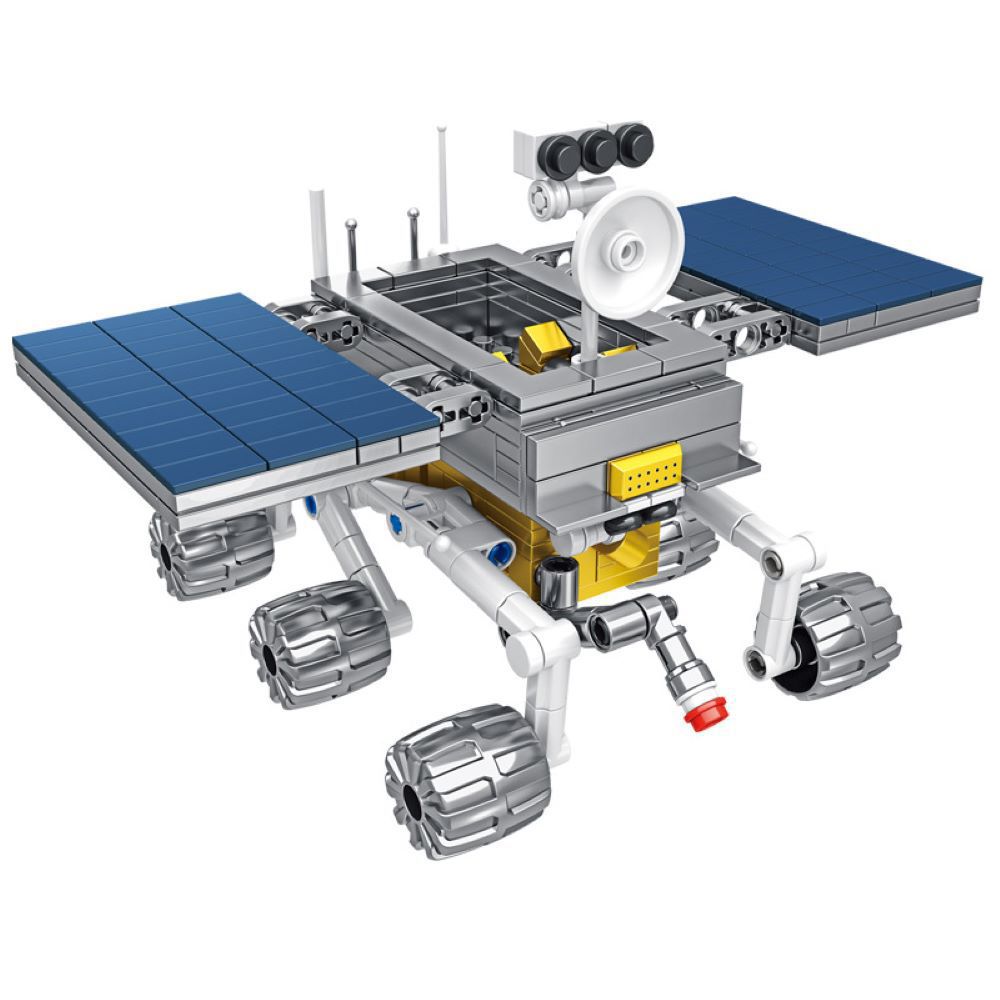
The Curiosity Rover, a highly advanced robot exploring the surface of Mars, has reshaped our understanding of the Red Planet since its landing in 2012. This mission embodies humanity’s quest for knowledge, examining Mars’ geology, climate, and potential for life. As it continues its journey, Curiosity provides invaluable insights into the planet’s past and informs future missions, including potential manned missions to Mars.
Mission Overview and Achievements
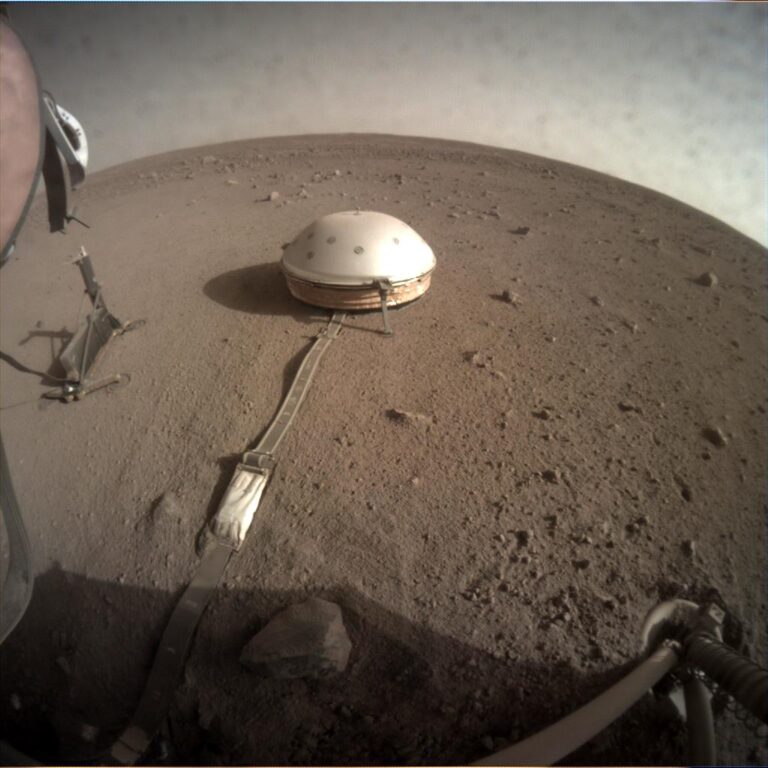
Curiosity landed on Mars in Gale Crater, a region believed to have once harboured water. Since then, it has traversed varied terrains, from sandy dunes to rocky ridges, collecting crucial data. The rover is equipped with a suite of scientific instruments capable of analysing soil and rock samples, as well as conducting atmospheric assessments. Notably, Curiosity discovered evidence of ancient freshwater lakes and complex organic molecules, suggesting that Mars may have once supported microbial life.
Recent Discoveries and Developments
In its ongoing mission, Curiosity has recently made significant discoveries that continue to excite scientists. In August 2023, data collected revealed potential biosignatures found in rock samples, raising questions about the past habitability of Mars. The rover also observed seasonal changes in the Martian atmosphere, which could provide insight into the planet’s climate history and its capacity to hold water.
Furthermore, Curiosity’s latest findings were shared at the International Mars Conference held in September 2023, where researchers from around the globe discussed the implications of these findings for future Mars exploration. Enhancements to Curiosity’s software allow it to make more autonomous decisions, increasing its efficiency and scientific output.
The Future of Mars Exploration
As the Curiosity Rover heads deeper into its mission, it continues to pave the way for future Martian exploration. NASA’s upcoming missions, including the Mars Sample Return Program, benefit significantly from Curiosity’s findings. Moreover, its ability to operate in harsh conditions provides a blueprint for designing rovers that could one day carry humans across the Martian landscape.
Conclusion: A Legacy of Discovery
The legacy of the Curiosity Rover is not just in the data it has collected but also in its ability to answer profound questions about our place in the universe. With its ongoing explorations, it inspires new generations to look to the stars and seek answers beyond our planet. As we anticipate future discoveries, the Curiosity Rover remains a symbol of human curiosity and the relentless pursuit of knowledge.