









Introduction to Bamako
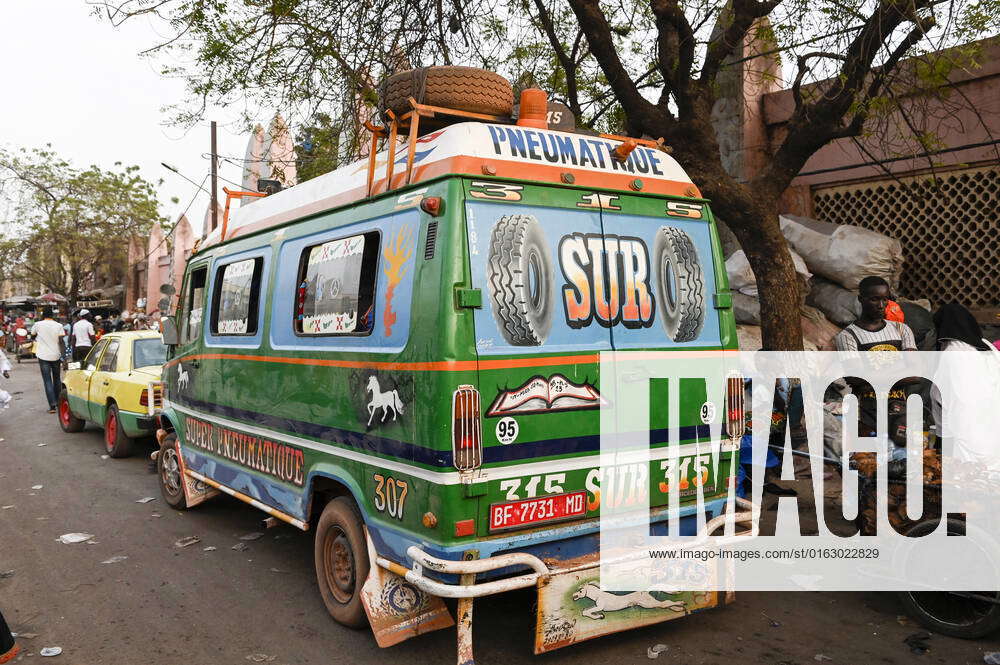
Bamako, the capital city of Mali, holds immense importance as the political, cultural, and economic centre of the country. With a population exceeding 2 million, it is one of the fastest-growing cities in Africa. Positioned along the banks of the Niger River, Bamako has become synonymous with the vibrancy and complexities of urban life in West Africa. As the world becomes increasingly interlinked, understanding Bamako’s role and its significance is essential for comprehending broader regional dynamics.
Historical and Cultural Significance
Bamako boasts a rich history that reflects the cultural tapestry of Mali. It has been a centre for trade and craft since historical times, further solidified by the establishment of the Republic of Mali in 1960. The city is home to numerous cultural institutions, including the National Museum of Mali, which showcases the country’s history and traditions through its extensive collections of artifacts and art. Moreover, Bamako has a vibrant music scene, noted for its contribution to the world of Afrobeats and traditional Malian music.
Recent Developments and Challenges
Currently, Bamako faces various challenges, particularly related to urbanisation. The rapid influx of people seeking opportunities has resulted in significant pressure on infrastructure, housing, and public services. The government, along with various international partners, has been working on urban development plans aimed at improving living conditions. Investments in road networks and sanitation facilities are crucial for sustaining growth and ensuring the well-being of residents. Additionally, Bamako has been affected by security challenges in recent years, stemming from broader issues related to political instability in the region.
Conclusion and Future Outlook
The future of Bamako appears to be tethered to its ability to navigate these challenges while capitalising on its rich cultural heritage and strategic location. Efforts to improve security, enhance infrastructure, and promote economic opportunities will be vital in shaping the city’s trajectory. For residents and visitors alike, understanding Bamako’s past, present, and future remains essential in recognising its significance within Mali and West Africa at large. As Bamako continues to evolve, its transformation will likely serve as a microcosm of the opportunities and hurdles facing many African capitals today.