Introduction to Spandau
Spandau, one of the 12 boroughs of Berlin, Germany, holds great historical and cultural significance. Established on the banks of the Havel River, this area combines medieval charm with modern urban life, making it a crucial part of Berlin’s identity. Spandau’s unique character stems from its rich heritage, which attracts tourists and locals alike, thus contributing to increased interest in urban development and cultural preservation.
The Historical Significance of Spandau
Spandau’s roots reach back to the 13th century, with the establishment of Spandau Citadel, one of the best-preserved Renaissance fortresses in Europe. The citadel, shaped like a star, was built in 1494 and served as a military stronghold for centuries. Today, it houses museums that provide insight into the history of Berlin. Furthermore, during the Cold War, Spandau was known for the Spandau Prison, where high-profile Nazi officials were incarcerated.
Cultural Highlights
Spandau is not only historically rich but also culturally vibrant. The area hosts several annual events, including the Spandau Christmas Market, which attracts visitors for its festive atmosphere and handmade crafts. The town centre, characterised by its picturesque architecture, features the historic St. Nicholas Church and the beautiful Paulskirche. The bustling Altstadt (Old Town) is filled with shops, cafes, and restaurants, providing a taste of local life.
Modern Development and Future Prospects
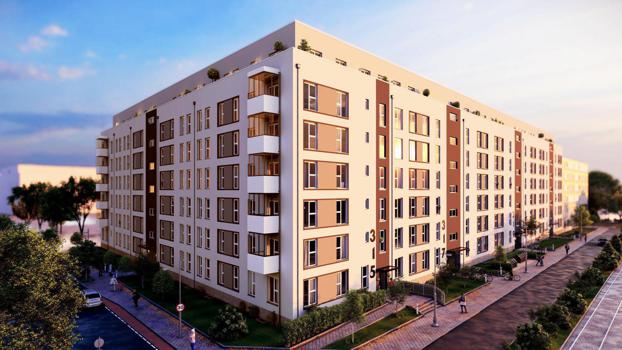
In recent years, Spandau has seen significant urban development, with new housing projects and facilities aimed at improving the quality of life for residents. As the population continues to grow, Spandau is poised to develop into a key player within Berlin’s urban landscape. Local government initiatives focus on sustainability and integrating green spaces into the borough, ensuring a balance between development and community needs.
Conclusion
Spandau stands as a testament to the coexistence of history and modernity, making it a fascinating area for both residents and visitors. Its rich heritage, combined with ongoing development, indicates a promising future as part of Berlin. As interest grows in urban centres that prioritize culture, community, and sustainability, Spandau’s significance is set to rise, encouraging further exploration and engagement from those wishing to experience its unique blend of old and new.