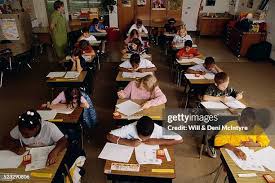
The Essential Role of Classrooms
In today’s educational landscape, the classroom remains a fundamental element in shaping the learning experience for students. Classrooms serve not only as spaces for acquiring knowledge but also as environments that foster social and emotional development. The significance of classroom design, structure, and atmosphere is increasingly recognised by educators and policymakers alike.
Classroom Design and Learning Outcomes
Recent studies have shown that the physical design of a classroom can have a profound impact on student engagement and learning outcomes. Factors such as lighting, seating arrangements, and technology integration contribute to how students interact with their lessons and peers. For instance, a study conducted by the University of Salford indicated that classroom design can enhance students’ performance by up to 25%. Flexible seating and collaborative layouts have become popular as they encourage teamwork and active learning.
Impact of COVID-19 on Classroom Settings
The COVID-19 pandemic has brought a dramatic transformation to traditional classroom environments. With the shift to online and hybrid learning models, many educators have had to adapt their teaching strategies and classroom management techniques. This shift has highlighted the importance of creating interactive and engaging virtual classrooms, ensuring that learners remain motivated despite physical barriers. Schools have also implemented measures to ensure safe and healthy environments for in-person learning, such as social distancing protocols and improved ventilation systems.
The Future of Classrooms
Looking forward, the classroom of the future is expected to incorporate more technology and innovative teaching methods. Blended learning, which combines in-person and online experiences, is likely to become the norm, allowing for greater flexibility in how education is delivered. Additionally, a focus on socio-emotional learning within classrooms is gaining traction, recognising the importance of mental well-being alongside academic success.
Conclusion
In conclusion, the classroom environment plays a crucial role in the educational journey of students. As we move towards a future that prioritises both technological integration and the well-being of learners, it is vital that educators, parents, and policymakers continue to collaborate in creating and maintaining effective classroom settings. These spaces will be key to ensuring that all students achieve their full potential in an inclusive and supportive educational landscape.