










Introduction
The Royal National Lifeboat Institution (RNLI) is an esteemed charity in the United Kingdom dedicated to saving lives at sea. Established in 1824, the RNLI operates over 200 lifeboat stations across the UK and Ireland, providing critical search and rescue services. With a mission to ensure the safety of seafarers and coastal visitors, the RNLI plays an essential role in maritime safety and education.
Recent Events and Achievements
In recent months, the RNLI has been in the news for its active involvement during the summer of 2023, when UK beaches saw record numbers of visitors. The charity reported a significant increase in rescues due to both the rise in water sports and the popularity of coastal holidays post-pandemic. In July alone, RNLI crews undertook more than 600 rescues, demonstrating their commitment and readiness to respond to emergencies.
Additionally, the RNLI launched various initiatives aimed at educating the public on water safety. Their “Respect the Water” campaign aims to reduce drowning statistics by promoting awareness of the dangers associated with open water. This campaign has been particularly impactful, reaching millions through social media and community engagement.
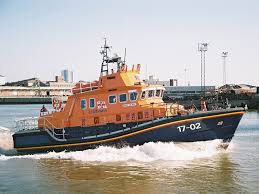
Moreover, the introduction of new lifeboats equipped with advanced technology has improved response times and efficiency in carrying out rescues. The RNLI has also embraced climate change adaptations, ensuring that their resources can handle changing sea conditions, thereby enhancing maritime safety.
Looking Ahead
The RNLI continues to face many challenges, including funding and maintaining volunteer recruitment levels, essential for sustaining operations at lifeboat stations. With ongoing economic pressures, securing donations remains crucial. The RNLI has encouraged the public to participate in fundraising activities and monthly giving to keep lifesaving services operational.
Looking to the future, the RNLI aims to expand its educational outreach and continue to innovate in rescue technologies. The charity’s proactive approach will be vital as the number of people participating in water sports and leisure activities is expected to rise.
Conclusion
The RNLI not only saves lives but also plays a pivotal role in fostering a culture of water safety. Its ongoing initiatives, combined with community support and dedicated volunteers, ensure that the charity remains at the forefront of maritime rescue in the UK and Ireland. As more people flock to coastlines, the significance of the RNLI’s mission continues to grow, making it a vital aspect of life by the sea.