Introduction
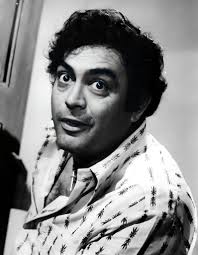
Sanjeev Kumar, a name synonymous with excellence in Indian cinema, is celebrated for his remarkable contributions to the film industry. His impressive repertoire of roles brought to life complex characters that resonated with audiences across various generations. As the 1970s and 1980s shaped the landscape of Indian films, Kumar’s versatility and charisma set a benchmark, making him one of the most revered actors in Bollywood history.
Achievements and Career Highlights
Born on July 9, 1938, in Rangoon, Burma, Sanjeev Kumar (born Harihar Jethalal Jariwala) began his acting journey on the stage before transitioning to film. His debut in the late 1960s quickly led to a string of successful films. Notable performances in classics such as ‘Sharmeelee’, ‘Koshish’, ‘Angoor’, and ‘Gol Maal’ illustrated his ability to navigate between intense drama and light-hearted comedy.
Kumar’s role in ‘Koshish’ (1972), where he portrayed a deaf and mute man, earned him critical acclaim and solidified his status as a serious actor. His performances were characterised by profound empathy and realism, earning him several prestigious awards, including the National Film Award for Best Actor.
Impact on Indian Cinema
Beyond individual accolades, Kumar played a pivotal role in transforming the industry by advocating for more nuanced storytelling and character development. His ability to inhabit diverse roles challenged traditional stereotypes and paved the way for future actors to choose more unconventional parts. Renowned for his collaboration with acclaimed directors like Gulzar, Kumar’s films often explored sensitive social issues, making a lasting impact on audiences and filmmakers alike.
Legacy and Remembering Sanjeev Kumar
Despite his untimely demise on November 6, 1985, at the age of 47, Sanjeev Kumar’s legacy endures. His contributions to Indian cinema are still celebrated today through numerous retrospectives and film festivals that honour his work. Actors such as Shah Rukh Khan and Aamir Khan often cite Kumar as a significant influence in their careers, illustrating the actor’s lasting impact on generations.
Conclusion
Sanjeev Kumar remains an unforgettable figure in Bollywood history, not only for his extraordinary acting prowess but also for his commitment to telling meaningful stories. As viewers continue to enjoy and analyse his extensive body of work, Kumar’s influence on Indian cinema, with its dynamic evolution, remains profound. Today’s audiences can learn much from his career, as the balance between commercial success and meaningful cinema persists in the industry.