Introduction
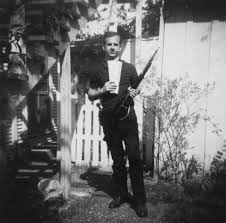
Lee Harvey Oswald remains one of the most infamous figures in American history, primarily due to his alleged role in the assassination of President John F. Kennedy on November 22, 1963. The events surrounding this critical moment in U.S. history have led to countless investigations, conspiracy theories, and debates about Oswald’s true involvement. Understanding Oswald’s background and the circumstances of the assassination provide insight into a troubled period in American society.
Early Life and Military Service
Born on October 18, 1939, in New Orleans, Louisiana, Oswald had a tumultuous childhood marked by instability. He enlisted in the U.S. Marine Corps in 1956 but was honourably discharged in 1959. His time in the military was punctuated by a fascination with Marxism, leading him to defect to the Soviet Union in 1961, where he lived for nearly three years before returning to the United States with his Russian wife, Marina.
Alleged Assassination of JFK
On November 22, 1963, President Kennedy was shot while riding in a motorcade through Dallas, Texas. Oswald was quickly identified as the primary suspect. Less than 48 hours after the assassination, he was arrested for the murder of a Dallas police officer and subsequently charged with the murder of Kennedy. The FBI’s rapid investigation intensified public anxiety, as Oswald maintained his innocence until his own assassination by nightclub owner Jack Ruby on November 24, 1963.
Investigation and Conspiracy Theories
The Warren Commission, established to investigate Kennedy’s assassination, concluded in 1964 that Oswald acted alone. However, this finding has been disputed for decades. Numerous conspiracy theories suggest that he was framed, and allegations persist that organized crime, the CIA, or even other political figures were involved. The continued fascination with Oswald stems partly from the mystery lingering around the circumstances of his death and the various narratives proposing alternate explanations for the assassination.
Conclusion
The life and actions of Lee Harvey Oswald continue to provoke interest and debate nearly six decades after the monumental event that changed American history. Oswald’s troubled upbringing, military service, and the chaotic environment surrounding the assassination have made him a subject of intense scrutiny. As new evidence and perspectives emerge, scholars and the public alike grapple with the complexities of the case, ensuring that the debate surrounding Oswald’s role in the assassination of Kennedy remains relevant. The significance of Oswald in American history serves as a reminder of the turbulent times and the importance of understanding our past to better navigate the future.