Introduction
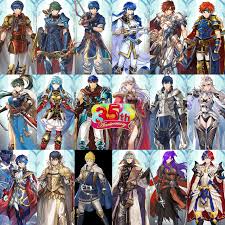
The Fire Emblem series, a prominent role-playing tactical video game franchise developed by Intelligent Systems and published by Nintendo, has captivated gamers since its debut in 1990. Its unique combination of strategic gameplay and character-driven storytelling has not only established it as a beloved series but also significantly influenced the tactical gaming genre. With the release of Fire Emblem: Engage in early 2023, the franchise enters a new chapter, attracting both long-time fans and newcomers alike.
The Legacy of Fire Emblem
From its roots on the Famicom in Japan, Fire Emblem has expanded globally, with a particular surge in popularity following the release of Fire Emblem: Awakening in 2012. This pivotal title rejuvenated interest in the series, showcasing deep tactical gameplay intertwined with memorable characters. Players not only engaged in combat but also forged relationships between characters, adding emotional stakes to their strategic decisions.
Recent Developments
As of 2023, Fire Emblem: Engage has become the latest installment, offering a distinctive blend of classic and modern mechanics. Set in the continent of Elyos, players can summon heroes from previous titles to aid in battles through a new mechanic called ‘Emblems’. This release has garnered positive reviews for its vibrant visuals and intricate storylines, highlighting the franchise’s ability to innovate while retaining its core essence.
In addition to its gaming releases, Fire Emblem has expanded into other media, with the announcement of an anime adaptation that is set to further increase its accessibility and reach. Additionally, recently held community events and tournaments have drawn in thousands of participants worldwide, illustrating the active and engaged community surrounding the franchise.
Impact on Gaming Culture
The influence of Fire Emblem extends beyond just gameplay. It has encouraged a resurgence of tactical RPGs in the gaming industry, inspiring developers to create more narrative-driven, character-centric games. As gaming evolves, the principles that have defined Fire Emblem—strategic depth, character development, and emotional engagement—continue to resonate with designers and players alike.
Conclusion
With its legacy and continual evolution, Fire Emblem stands as a cornerstone of tactical gaming. The recent success of Fire Emblem: Engage and the anticipation surrounding the series’ upcoming projects suggest that it will remain influential for years to come. For readers and gamers alike, the journey of Fire Emblem offers not just entertainment, but a lens through which to explore the growth of video game storytelling and strategy.