Introduction
Multan, often referred to as the ‘City of Saints’, is one of the oldest cities in the Punjab province of Pakistan. With a rich cultural heritage and a history that dates back thousands of years, Multan is not only an important urban center but also a key location for spirituality, trade, and art. The city’s significance extends beyond its historical roots as it plays a crucial role in the modern landscape of Pakistan, making it a vital point of interest for tourists and scholars alike.
Historical Importance
The history of Multan can be traced back to ancient times when it was known as ‘Mulasthana’, a city revered for its wealth and commerce. The city has seen many empires rise and fall, including the Indus Valley Civilization, the Persian Empire, and the Mughal Empire. Notably, Multan is famous for its many Sufi shrines, which have drawn pilgrims from all over the region. The tomb of Shah Rukn-e-Alam, for example, is an iconic symbol of Sufism and showcases exquisite Mughal architecture.
Modern Developments
Today, Multan is a bustling metropolis, boasting a population of over 1.8 million. Its economy is driven by agriculture, textiles, and trade, with recent infrastructure developments aiming to bolster its economic framework. The Multan International Airport and the Lahore-Multan Motorway have significantly improved connectivity, making the city more accessible to both national and international visitors.
Cultural Significance
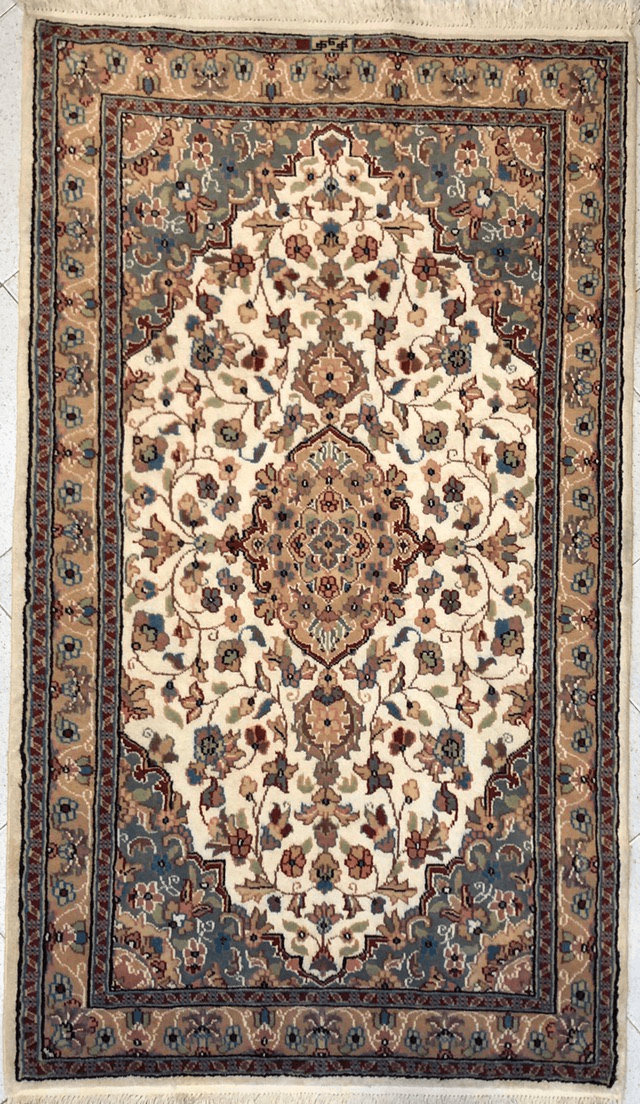
The cultural fabric of Multan is woven with diverse threads of tradition, art, and cuisine. The city is renowned for its blue pottery and handicrafts, which make excellent souvenirs for tourists. Local cuisine, characterised by various spicy and flavourful dishes, attracts food lovers from distant areas. Annual cultural events provide a platform for artists and performers, promoting local heritage and fostering community spirit.
Tourist Attractions
Visitors to Multan can explore numerous historic sites, including the Malik Rawan Mosque, the Qasim Shrine, and the ancient Bahawalpur Fort. Each landmark tells a story, reflecting the city’s timeline and its role in regional politics and spirituality. The bustling bazaars are not to be missed, where tourists can immerse themselves in the local lifestyle and shop for beautiful textiles and artefacts.
Conclusion
Multan is a city where the past and present coalesce, offering a myriad of experiences for those who visit. Its historical landmarks, cultural depth, and vibrant economy make it a noteworthy destination in Pakistan. As the city continues to grow and modernise, it remains essential for both locals and tourists to appreciate its rich heritage. With efforts to promote tourism and preserve history, Multan is poised to remain a significant cultural hub in the heart of Pakistan.