Introduction to Utah’s Political Identity
The question of whether Utah is a red state is significant as it reflects the political climate and voter preferences in this great American state. In recent elections, the political alignment of states plays a crucial role in shaping national policies, and Utah has emerged as a prominent example of a conservative stronghold in the United States.
Political Trend in Utah
Utah has traditionally leaned Republican, with the GOP winning the majority of state and federal elections for several decades. Since the 1960s, Utah has consistently voted for Republican presidential candidates, showcasing a strong inclination towards conservative ideologies. In the 2020 Presidential elections, for instance, Donald Trump secured approximately 58.1% of the vote in Utah, underscoring the state’s red status.
Factors Contributing to Utah’s Red Status
Several factors contribute to Utah’s classification as a red state. Firstly, the demographic composition plays a significant role; approximately 62% of Utah’s population identifies as Mormon, and the Church of Jesus Christ of Latter-day Saints has historically supported Republican beliefs, particularly on social issues. Additionally, the state’s economic policies, which often favour low taxation and minimal government intervention, resonate well with conservative voters.
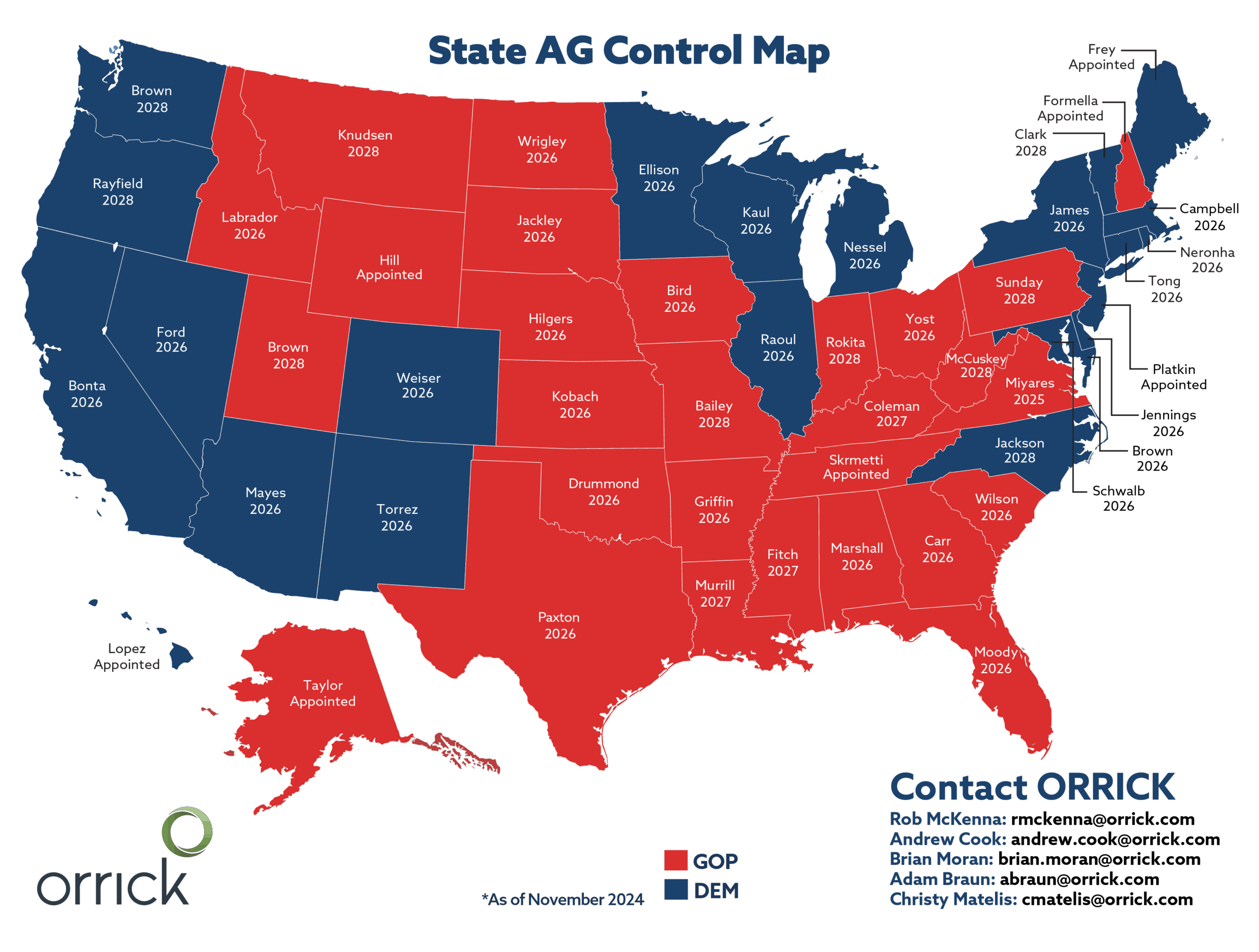
The Republican Party has maintained a firm grip on Utah’s state legislature as well, holding supermajorities in both the Utah House of Representatives and the Senate. Republican candidates continue to dominate local elections, making it clear that Utah’s political environment remains predominantly red.
Current Outlook and Future Trends
While Utah remains a red state, recent elections have revealed the presence of a growing Democratic base, particularly in urban areas such as Salt Lake City and the surrounding suburbs. This shift may indicate emerging political diversity, although long-term change is uncertain. Many analysts suggest that demographic changes and the influx of younger, more progressive voters may gradually alter the political landscape in Utah, although the immediate future still appears to favour Republican candidates.
Conclusion
In summary, Utah is predominantly viewed as a red state, bolstered by historical voting patterns and a Republican majority in government. However, the evolving demographics and the slow but steady rise of Democratic influence may signal a future shift in the state’s political identity. For residents and political observers alike, monitoring these changes will be crucial as they may reshape Utah’s role in national politics in the years to come.