






Introduction
The polar vortex is a significant atmospheric phenomenon that influences winter weather patterns in the Northern Hemisphere. Understanding the polar vortex is crucial as it not only affects local climates but also plays a role in global weather systems. Recently, discussions around the polar vortex have gained attention due to extreme weather events that have led to severe cold spells in various regions, highlighting its importance and relevance in current climate conversations.
What is the Polar Vortex?
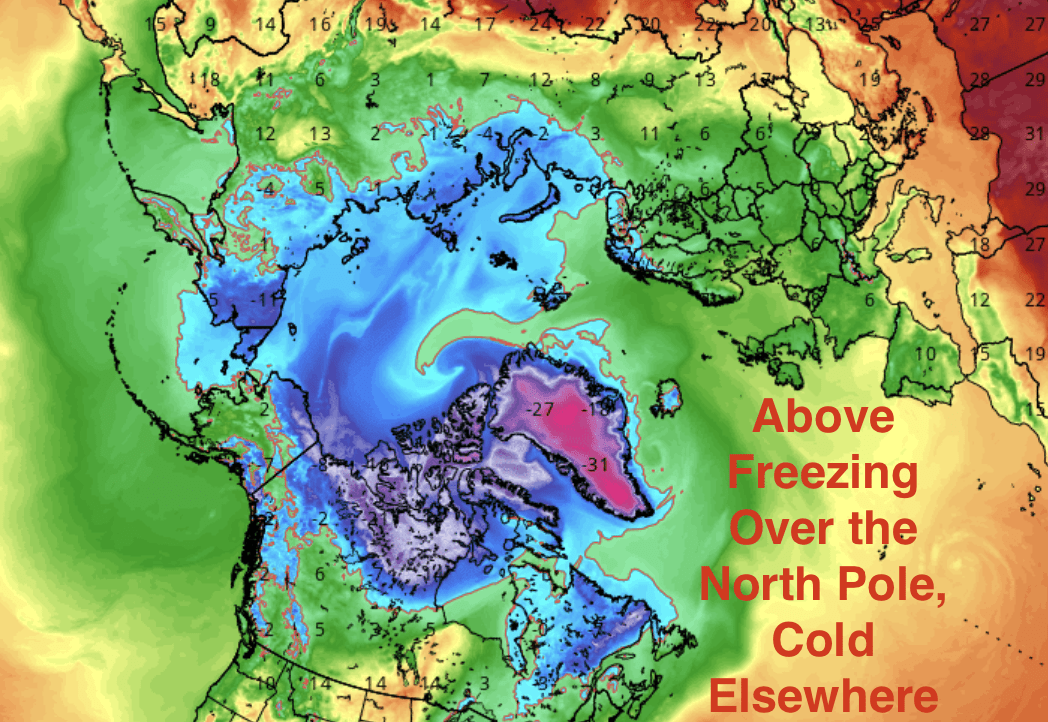
The polar vortex is a large area of low pressure and cold air surrounding the Earth’s poles. It consists of powerful winds that wrap around the polar regions, keeping the cold air confined. When stable, the polar vortex is strong and contained, resulting in typical winter weather. However, disruptions or weakening of the vortex can lead to outbreaks of cold Arctic air spilling southward into mid-latitude regions.
Recent Events Related to the Polar Vortex
In late 2023, the polar vortex showed signs of destabilisation, causing frigid temperatures and heavy snowfall in parts of North America and Europe. Meteorologists noted several incidents where polar air surged into areas typically unaccustomed to such extremes, impacting daily life and raising concerns about infrastructure challenges. For example, the northeastern United States experienced a significant drop in temperatures, with some regions recording the coldest December temperatures on record.
This phenomenon has also been linked to climate change. Studies suggest that as the Arctic warms, the polar vortex may become less stable, leading to more frequent and intense winter weather events. Researchers from the National Oceanic and Atmospheric Administration (NOAA) emphasize the need for continued research to better predict such occurrences and mitigate their impacts on vulnerable populations.
Conclusion
The polar vortex remains a pivotal topic in understanding global and regional climate patterns, especially in winter. As climate change accelerates, the dynamics of the polar vortex may shift, leading to unforeseen weather extremes. The significance of this phenomenon is especially relevant for policymakers, meteorologists, and the general public, all of whom must prepare for potential disruptions caused by severe weather. Continued monitoring and research into the polar vortex will be essential for adapting to and anticipating the ever-changing climate landscape.