Introduction
Tuvalu, a small island nation in the Pacific Ocean, has been thrust into the global spotlight as one of the most vulnerable countries to climate change. With rising sea levels threatening its very existence, Tuvalu’s plight highlights the urgent need for global action and understanding of the impacts of climate change on low-lying nations.
The Situation in Tuvalu
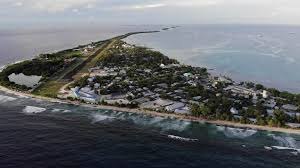
Tuvalu consists of eight islands and is home to approximately 11,000 residents. Due to its low elevation, most of the islands are less than three metres above sea level. According to the Intergovernmental Panel on Climate Change (IPCC), sea levels could rise up to 1 meter by the end of the century. This poses a significant risk not only to Tuvalu’s territory but also to the livelihoods and cultural identity of its inhabitants.
Recent reports indicate that Tuvalu already experiences increased flooding, coastal erosion, and salinization of freshwater sources, making it increasingly difficult for residents to sustain their way of life. During the heavy storms of late 2022, several homes were destroyed and agricultural land was rendered useless, highlighting the immediate threats faced by this nation. The Tuvaluan government has been vocal about its challenges at international climate conferences, urging more substantial commitments from larger nations.
Global Response and Future Outlook
In response to its situation, Tuvalu has been active in advocating for stronger global climate policies. In 2021, it launched the “Te Kakeega III” plan, a strategic framework aimed at enhancing climate resilience. Initiatives within this framework include improving infrastructure, protecting natural resources, and pursuing relocation options for communities that may become uninhabitable in the coming decades.
Despite these efforts, Tuvalu’s government is heavily reliant on foreign aid to fund these initiatives. The challenges of climate change have prompted discussions about climate refugees, as some Tuvaluans may be forced to relocate to other countries in the future. Some nearby nations have already pledged to support Tuvaluan resettlements as a last resort, but concerns remain over cultural preservation and identity.
Conclusion
As Tuvalu grapples with the reality of climate change, the international community faces a crucial moment in addressing the crisis. The situation in Tuvalu serves as a stark example of the broader impacts of environmental degradation and climate injustice. Without immediate and significant global action, the island’s future remains precarious. With the 2023 UN Climate Change Conference approaching, the eyes of the world will once again turn to the Pacific nation, as it seeks both support and solutions for its survival.