Introduction
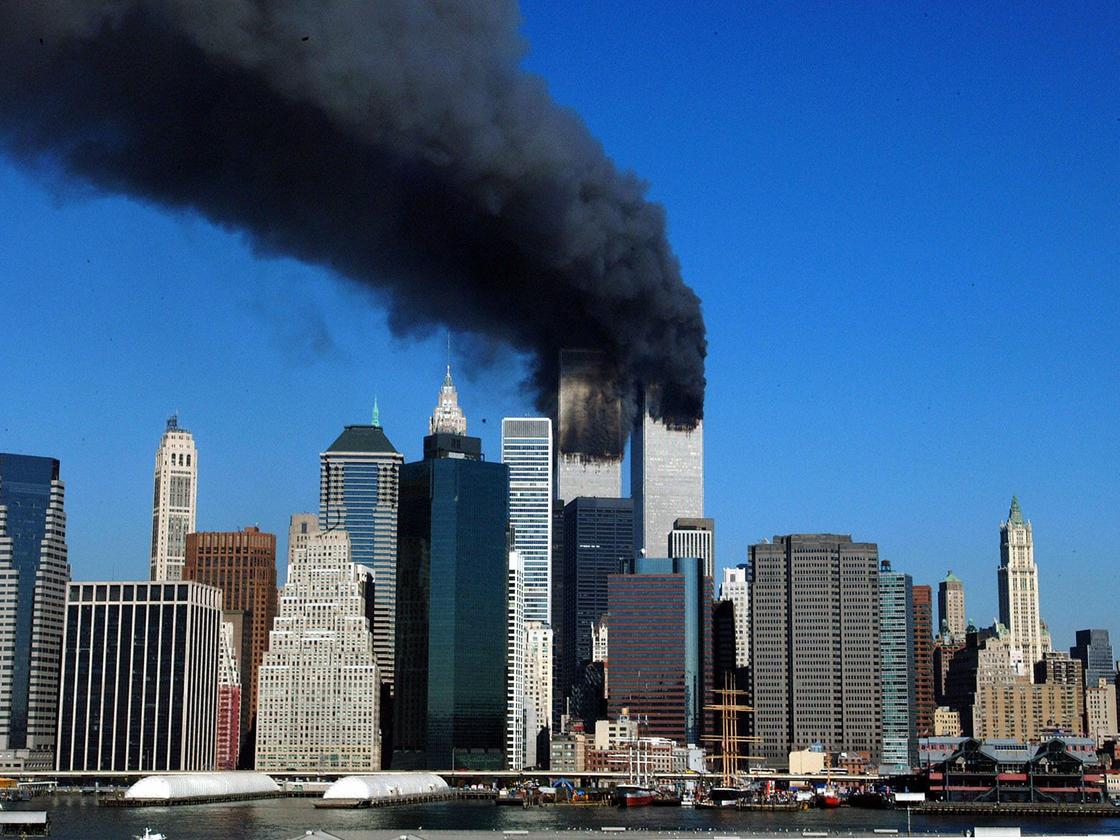
The events of September 11, 2001, commonly referred to as 9/11, remain one of the most significant and tragic moments in modern history. The coordinated terrorist attacks carried out by al-Qaeda against the United States resulted in the deaths of nearly 3,000 people and have profoundly influenced global security policies, international relations, and public perception of terrorism. Understanding the implications of 9/11 is crucial as its effects continue to resonate across various domains even two decades later.
The Events of 9/11
On the morning of September 11, 2001, four commercial airliners were hijacked by terrorists. Two of the planes were flown into the Twin Towers of the World Trade Center in New York City, while a third struck the Pentagon in Arlington, Virginia. The fourth plane, intended for a target in Washington, D.C., crashed into a field in Pennsylvania after passengers attempted to regain control from the hijackers. The immediate aftermath saw the twin towers collapse, leading to nearly 3,000 fatalities and thousands more injured.
Impact on National Security
The attacks prompted a swift response from the United States government, leading to the enactment of the USA PATRIOT Act, which expanded law enforcement’s surveillance and investigative capabilities. The Department of Homeland Security was established, and security measures at airports and public spaces were significantly heightened. The global fight against terrorism was intensified, marking a shift in international relations as countries began to collaborate more closely on intelligence-sharing and counterterrorism efforts.
Changes in Foreign Policy
In the wake of 9/11, the U.S. launched the ‘War on Terror,’ which included military invasions of Afghanistan and Iraq. This approach aimed to dismantle al-Qaeda and remove regimes that were viewed as threats to global security. However, these military operations sparked widespread debate regarding their long-term consequences and effectiveness. Critics argue that the invasions led to regional instability, further perpetuating cycles of violence and terrorism.
Social and Cultural Ramifications
9/11 also significantly affected social dynamics, particularly perceptions of Muslim communities in the U.S. and around the world. Heightened security measures and policies, such as racial profiling, disproportionately impacted individuals of Middle Eastern descent, leading to increased Islamophobia and discrimination. Additionally, narratives surrounding patriotism, security, and freedom have evolved, with many citizens grappling with the balance between civil liberties and national security.
Conclusion
As we reflect on the events of 9/11 and their lasting impact, it is vital to acknowledge both the improvements in global security cooperation and the challenges of a post-9/11 world, including the rise of new forms of terrorism and the need for a nuanced understanding of cultural diversity. The significance of 9/11 continues to shape policies, societies, and the discourse surrounding security and liberty. As future generations learn about this pivotal moment in history, the lessons of resilience and tolerance become increasingly crucial in forging a path forward.