Introduction
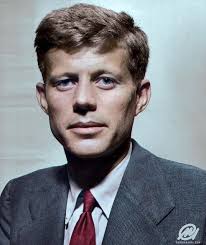
John Fitzgerald Kennedy, commonly known as JFK, was the 35th President of the United States, serving from January 1961 until his assassination in November 1963. His presidency is often remembered for its youthful energy and ambitious vision for America. JFK’s policies and charismatic leadership continue to influence American politics and culture, making it crucial to understand his impact and legacy today.
Significant Events during JFK’s Presidency
JFK’s term was marked by significant events that shaped the course of American history. One of the most notable moments was the Cuban Missile Crisis in October 1962, which brought the United States and the Soviet Union to the brink of nuclear war. JFK’s leadership during this tense period is credited with avoiding a catastrophic conflict, demonstrating the importance of diplomacy and crisis management.
Another landmark event was JFK’s commitment to civil rights. His administration took crucial steps to advance civil rights legislation, challenging discrimination and segregation. In 1963, he delivered a powerful address advocating for civil rights, famously declaring that “the rights of all Americans are infringed upon when the rights of one are denied.” This commitment laid the groundwork for future legislative advancements.
The Assassination and Its Aftermath
On November 22, 1963, JFK was assassinated in Dallas, Texas, a shocking event that left the nation in mourning. The assassination not only marked the end of his presidency but also began a conspiracy of theories and significant public discourse about the circumstances surrounding his death. Despite extensive investigations, many questions remain unanswered, perpetuating speculation and intrigue.
JFK’s Legacy in American Politics
JFK’s legacy endures not only through historical narratives but also in the values he espoused. His call for public service and civic engagement resonates with contemporary leaders and citizens alike. The Peace Corps, which he established, continues to inspire volunteers to serve communities globally. Moreover, JFK’s vision for a space programme led to significant advancements in technology and exploration, culminating in the successful moon landing in 1969.
Conclusion
John F. Kennedy’s impact on the United States extends far beyond his time in office. His leadership during crises, dedication to civil rights, and vision for the future continue to influence American society today. As current and future leaders draw inspiration from JFK’s legacy, it is essential to remember the lessons of his presidency and its relevance in today’s political landscape. The ideals Kennedy championed—civic responsibility, global engagement, and the pursuit of equality—remain as significant now as they were during his presidency.