Introduction
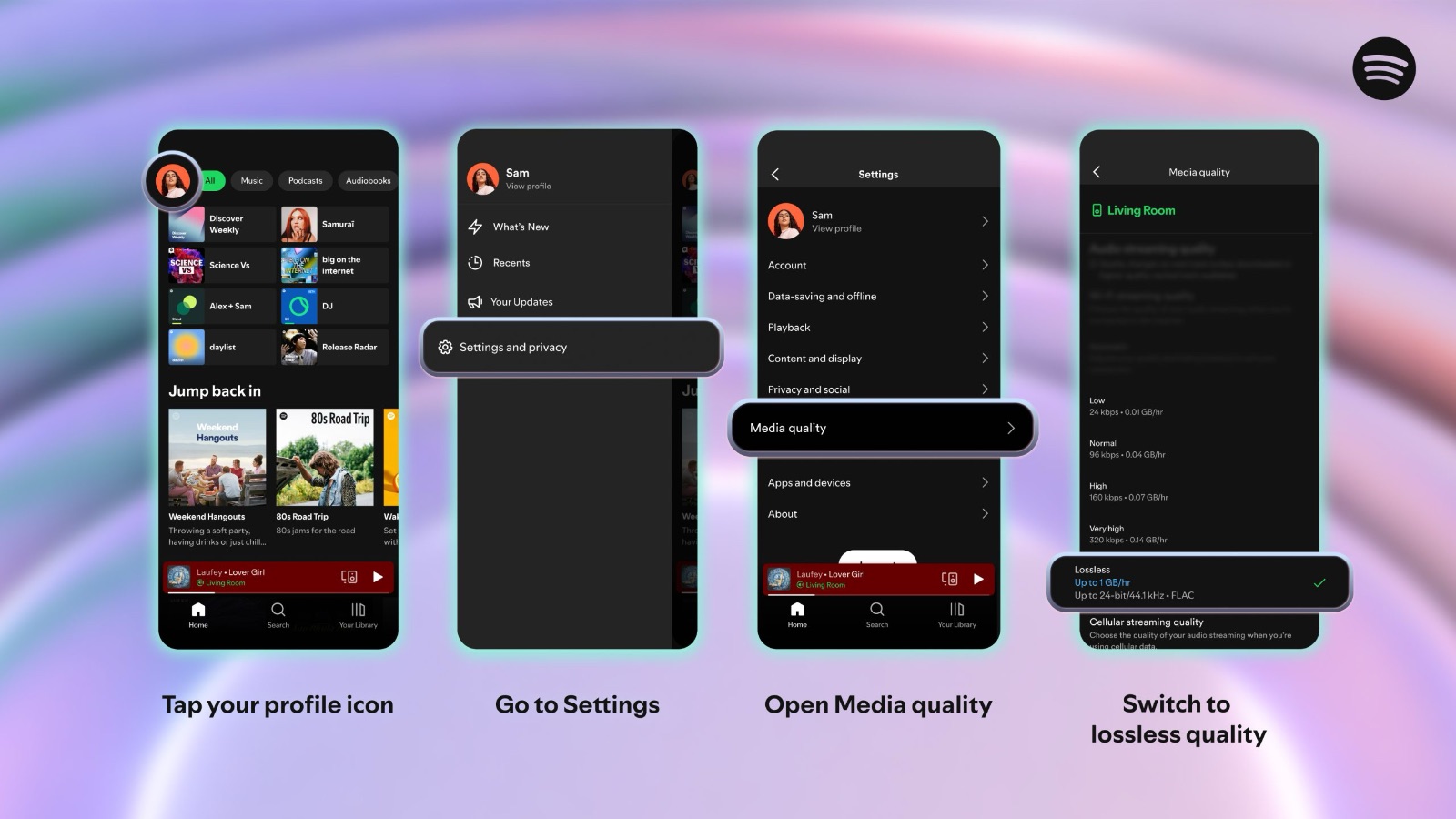
The music streaming industry has seen significant advancements in audio technology, and one of the most anticipated developments is the introduction of lossless music. Recently, Spotify announced its plans to launch a lossless audio tier, named ‘Spotify HiFi’, which promises to elevate the listening experience for its millions of users. With the increasing demand for higher quality audio, understanding the implications of this addition is critical for both casual listeners and audiophiles.
What is Lossless Music?
Lossless music refers to audio files that have been compressed without losing any of their original quality. This type of file delivers sound playback that is identical to the studio recording, allowing for a richer and more detailed listening experience. In contrast to lossy formats like MP3 and AAC, which discard some audio information to save space, lossless formats preserve the full spectrum of sound. Formats like FLAC (Free Lossless Audio Codec) and ALAC (Apple Lossless Audio Codec) are popular choices for lossless audio.
Spotify’s HiFi Announcement
Spotify’s journey towards offering lossless music began with its announcement of the HiFi tier in February 2021, which generated excitement among users eager for higher fidelity sound. However, since that initial announcement, there has been limited communication around the rollout, leading to speculation and frustration from subscribers. As of late 2023, Spotify executives have confirmed that the feature will be made available by early 2024, with specific details on pricing and availability expected soon.
Impact on Users
The introduction of lossless audio is poised to change how users perceive value in music streaming services. While services like Tidal and Amazon Music have set the standard for high-definition audio, Spotify aims to compete by offering its vast library with enhanced audio quality. For audiophiles who invest in high-quality audio equipment, this may encourage them to remain loyal to Spotify or even attract new subscribers who have previously turned to competitors for better sound quality.
Conclusion
Spotify’s anticipated launch of lossless music represents a significant shift towards prioritising audio quality in the streaming market. As we await further details on Spotify HiFi, the music industry watches closely to see if this initiative will reshape user expectations and influence wider trends in digital music consumption. For users and music lovers, this move could mean not only a richer audio experience but also a new benchmark for quality in the world of streaming services.